






What's Happening?
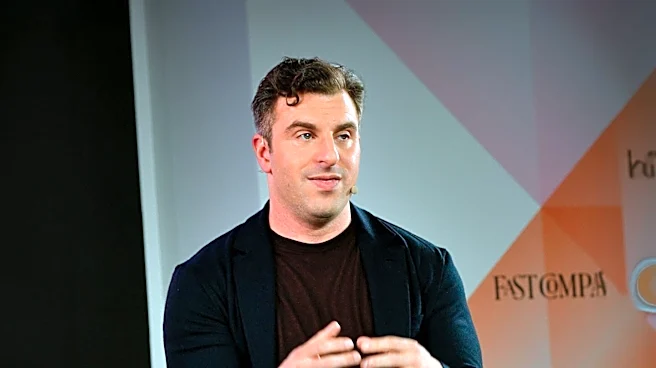
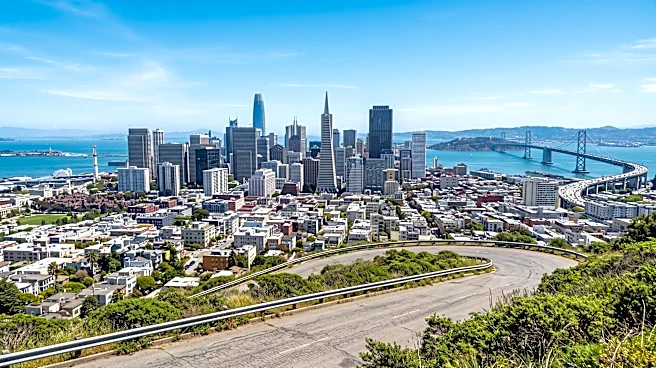
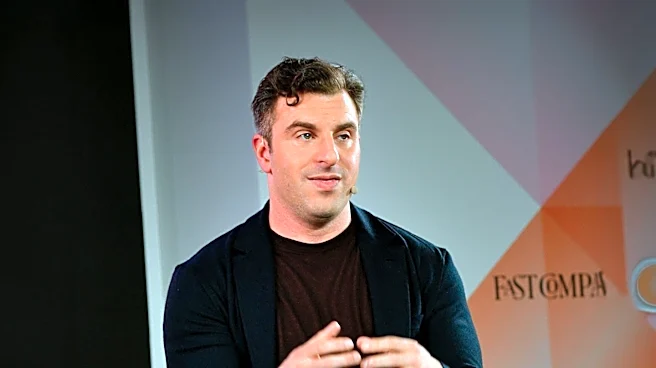
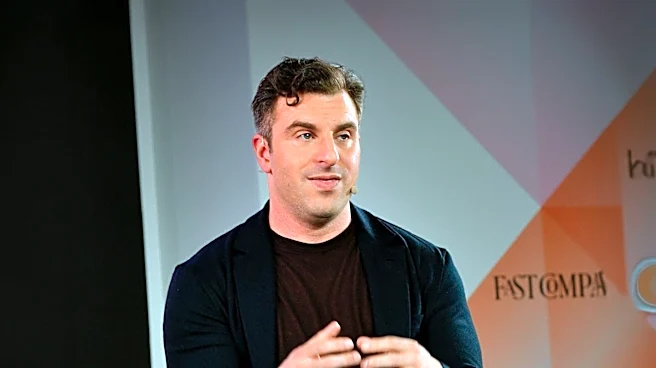
Brian Chesky, CEO of Airbnb, has made a historic donation of $100 million to the San Francisco Parks Department. This contribution marks the largest single donor gift in the city's history. San Francisco Mayor Daniel Lurie announced that $39 million of the donation is earmarked
for completing five parks that have been stalled due to lack of funding. Chesky expressed his belief in the special nature of San Francisco, attributing the emergence of many great companies to the city. He also used the occasion to call upon other business leaders to consider making substantial philanthropic contributions to the city. This donation comes at a time when American cities, particularly in the Bay Area, are anticipating significant wealth creation from upcoming AI IPOs, with early indications suggesting a new generation of philanthropists who are younger and more inclined to fund ambitious, high-impact projects.
Why It's Important?
This significant philanthropic act by Brian Chesky highlights a growing trend of tech leaders investing directly in urban infrastructure and public spaces. The donation not only provides crucial funding for long-neglected park projects in San Francisco but also sets a precedent for corporate and individual responsibility in supporting local communities. By publicly urging other business leaders to contribute, Chesky is attempting to foster a culture of civic engagement and large-scale philanthropy within the tech industry. This could lead to increased private funding for public services, potentially alleviating some of the financial burdens on municipal governments. The timing, amidst anticipated wealth from AI IPOs, suggests a potential shift in philanthropic strategies, with new wealth creators focusing on tangible, high-return projects that can directly improve urban life and address specific community needs, rather than traditional charitable avenues.
What's Next?
Following Brian Chesky's substantial donation, San Francisco's Parks Department will proceed with completing the five previously unfunded park projects, which could revitalize public spaces and enhance community well-being. The public call for other business leaders to contribute may inspire similar large-scale donations, potentially creating a new wave of private investment in urban development and public services across U.S. cities. As AI IPOs generate new wealth, there could be increased philanthropic activity from tech entrepreneurs, focusing on innovative and impactful urban projects. This could lead to new partnerships between private donors and city administrations, potentially accelerating the development of infrastructure, cultural programs, and social initiatives that might otherwise face funding challenges. The success of these privately funded projects could also influence public policy discussions around urban development and the role of private capital in addressing civic needs.
Beyond the Headlines
Chesky's donation and his call to action underscore a broader discussion about the role of private wealth in addressing public needs, particularly in cities where the tech industry has generated immense fortunes but also contributed to social and economic disparities. This type of philanthropy can be seen as a way for tech leaders to give back to the communities that have enabled their success, potentially mitigating criticisms about the industry's impact on housing costs and quality of life. However, it also raises questions about the extent to which public services should rely on private donations versus consistent public funding. While beneficial, such large-scale private funding could also influence urban development priorities, potentially favoring projects that align with donor interests. This trend could reshape the landscape of urban governance and public-private partnerships, creating new models for civic improvement but also new challenges regarding equity, accountability, and democratic control over public resources.