


What's Happening?
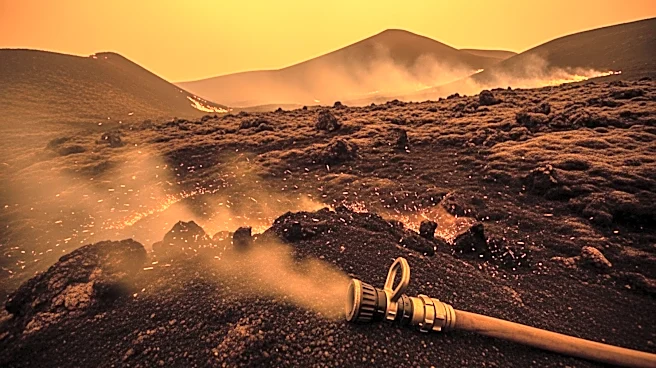
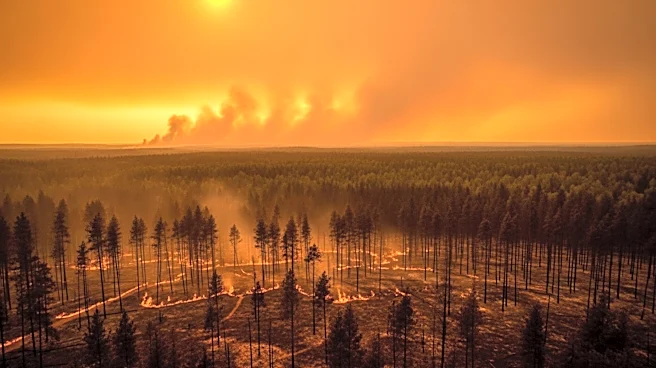
A massive wildfire that began on April 10 in the La Lanza area of Minas de Matahambre, Pinar del Río, Cuba, has destroyed 1,700 hectares of forest and remains out of control. The Cuban News Agency reports that the fire has been active for nine days, spreading
through the mountain range without currently threatening nearby populated areas. Efforts to control the blaze have been hampered by unfavorable weather conditions and equipment failures. Over 200 forest rangers and workers from the mining company, supported by two bulldozers, are engaged in firefighting efforts. Additional fires in the region, including one in La Gúira affecting 93 hectares, are also being battled. The province has a history of significant fires, with the Arenales fire in 2025 having devastated over 3,240 hectares.
Why It's Important?
The ongoing wildfire in Pinar del Río highlights the challenges of managing natural disasters in regions with limited resources and infrastructure. The destruction of 1,700 hectares of forest not only impacts the local ecosystem but also poses a potential threat to human settlements if the fire spreads further. The situation underscores the importance of effective disaster preparedness and response strategies, particularly in areas prone to severe weather conditions and drought. The economic impact on the local community, reliant on forestry and agriculture, could be significant, affecting livelihoods and the regional economy. The recurrence of large-scale fires in the province suggests a need for improved fire management and prevention measures.
What's Next?
Efforts to control the wildfire will continue, with authorities likely to seek additional resources and support to combat the blaze. The focus will be on preventing the fire from reaching populated areas and minimizing further environmental damage. The situation may prompt a review of current fire management practices and the implementation of more robust prevention strategies. Local and national authorities may also consider investing in better firefighting equipment and training to enhance response capabilities. The ongoing drought and weather conditions will remain a critical factor in the success of these efforts.
Beyond the Headlines
The wildfire in Pinar del Río raises broader questions about the impact of climate change on natural disaster frequency and severity. As weather patterns become more unpredictable, regions like Pinar del Río may face increased risks of wildfires and other climate-related events. This situation highlights the need for comprehensive climate adaptation strategies that address both immediate disaster response and long-term environmental resilience. The fire also serves as a reminder of the interconnectedness of environmental health and economic stability, emphasizing the importance of sustainable land management practices.