


What's Happening?
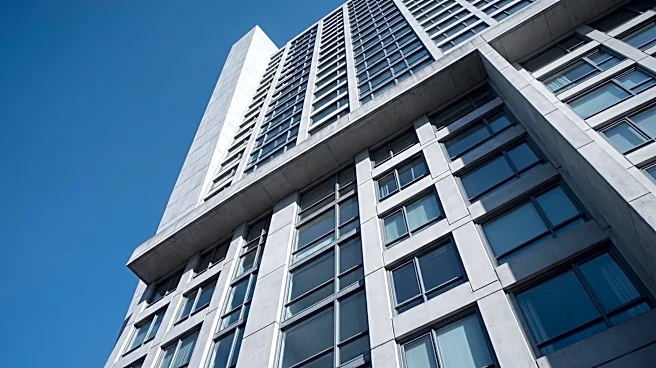
A 78-year-old man and his 50-year-old neighbor were rescued from a 14th-floor apartment ledge in Jelutong, George Town, after becoming stuck due to a sudden fear of heights. The incident began when the elderly resident, mistakenly believing he was locked
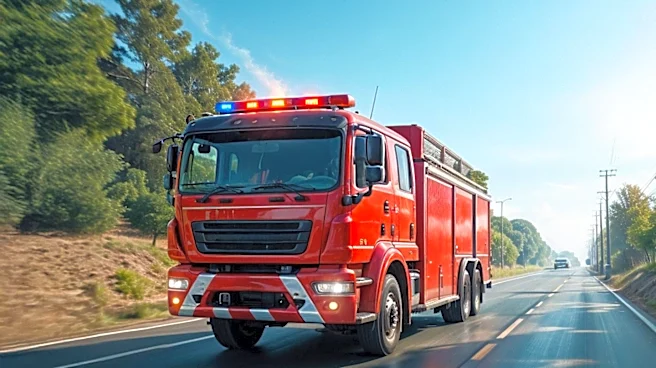
out, climbed onto the narrow ledge to reach his front door. His neighbor, attempting to assist, also climbed onto the ledge. Both men then became paralyzed by fear, unable to move or return to safety. The Penang Fire and Rescue Department was alerted by a third neighbor and successfully rescued both individuals by entering the elderly man's apartment, whose door was found to be unlocked, and pulling them back through the window. Both men were unharmed.
Why It's Important?
This incident underscores the unpredictable nature of emergencies and the critical role of quick-thinking neighbors and efficient emergency services. While seemingly a localized event, it highlights broader themes of community vigilance and the psychological impact of extreme situations. The fact that the elderly man mistakenly believed he was locked out points to potential issues with communication or cognitive function that can lead to dangerous situations, especially for senior citizens living alone. The neighbor's attempt to help, while commendable in intent, also illustrates how untrained individuals can inadvertently place themselves in peril. The successful rescue by the Fire and Rescue Department showcases the importance of professional training and rapid response in high-stakes scenarios, preventing a potentially tragic outcome.
What's Next?
Following the rescue, the case has been handed over to the police for further review, though both men were unhurt. Authorities have issued a public warning urging individuals to avoid taking extreme risks in high-rise environments, emphasizing the dangers involved. This incident may prompt local community organizations or building management to reinforce safety awareness campaigns, particularly for elderly residents, regarding emergency procedures and the importance of seeking professional help rather than attempting self-rescue in dangerous situations. There might also be discussions about improving safety features in apartment buildings, such as clearer emergency exits or communication systems, to prevent similar incidents stemming from confusion or perceived entrapment. The focus will likely be on prevention and education to mitigate future risks.
Beyond the Headlines
Beyond the immediate rescue, this event touches upon the broader societal issue of elderly care and safety in urban high-rise living. The elderly man's mistaken belief of being locked out could be indicative of age-related cognitive changes or simply a moment of confusion, highlighting the need for support systems for seniors. It also subtly points to the 'good Samaritan' dilemma, where individuals, driven by a desire to help, can inadvertently escalate a dangerous situation. The incident serves as a reminder of the psychological impact of heights and confined spaces, which can incapacitate even those attempting to be helpful. Ethically, it raises questions about individual responsibility in dangerous situations versus the collective responsibility of a community to ensure the safety and well-being of its vulnerable members, particularly in dense urban environments.