
What's Happening?
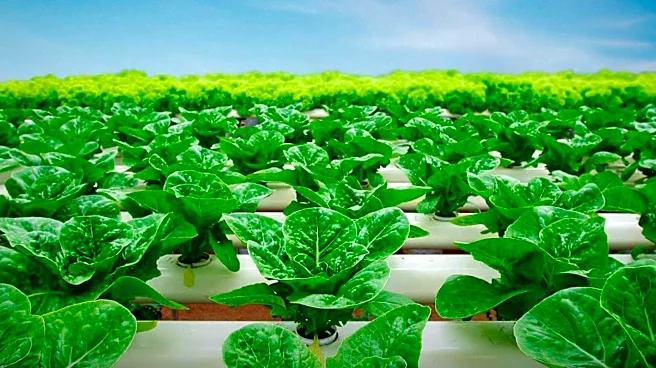
The United States is currently dealing with two significant foodborne illness outbreaks: a cyclospora outbreak linked to iceberg lettuce and a salmonella outbreak associated with shell eggs. The cyclospora outbreak has
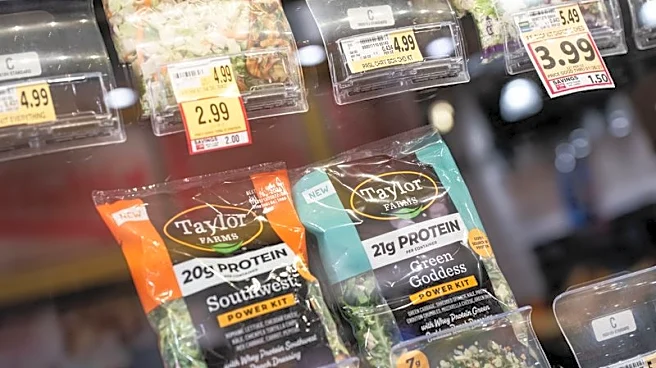
resulted in 4,173 confirmed cases across 41 states, while the salmonella outbreak has affected 98 people in 17 states. Cyclospora, caused by a microscopic parasite, leads to prolonged gastrointestinal symptoms, whereas salmonella, a bacterial infection, typically presents with rapid-onset symptoms. The Centers for Disease Control and Prevention (CDC) is investigating these outbreaks, with Taylor Farms de Mexico identified as a potential source for the cyclospora cases. The outbreaks underscore the importance of food safety and the challenges in tracing contaminated products.
Why It's Important?
These outbreaks highlight the ongoing challenges in ensuring food safety and the complexities involved in managing foodborne illnesses. The cyclospora outbreak, in particular, demonstrates the difficulties in identifying and controlling parasitic infections, which can persist for weeks or months. The economic impact on the food industry, particularly for companies like Taylor Farms, can be significant, affecting supply chains and consumer confidence. Public health officials must balance the need for swift action with thorough investigations to prevent further spread and protect consumers.
What's Next?
The CDC and other health agencies will continue to monitor and investigate these outbreaks to identify the sources and prevent further cases. Public awareness campaigns may be necessary to educate consumers on food safety practices, such as washing produce and avoiding recalled products. The food industry may also face increased scrutiny and pressure to implement more rigorous safety standards to prevent future outbreaks. Ongoing research into more effective detection and prevention methods for foodborne pathogens will be crucial in mitigating similar incidents in the future.