


What's Happening?
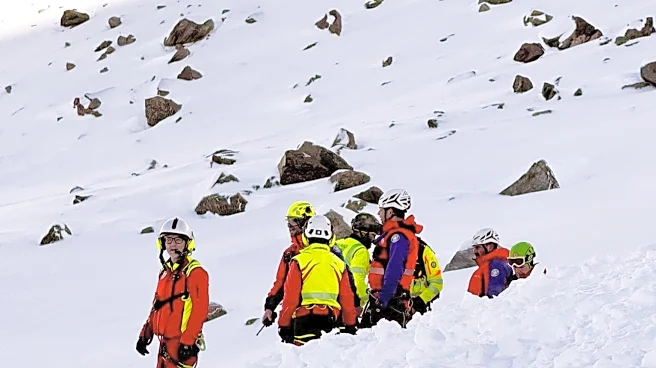
Efforts to recover the body of Ran Gvili, the last Israeli hostage held by Hamas in Gaza, have been delayed due to heavy rains and adverse weather conditions. Gvili, a 24-year-old member of an elite police unit, was killed while attempting to help people
escape from the Nova music festival. The search operations, coordinated by Israeli authorities, are on hold until weather conditions improve. The delay also affects the second phase of a U.S.-brokered ceasefire agreement, which involves Hamas disarming and an Israeli military withdrawal from Gaza. Both sides have accused each other of violating the ceasefire terms, with Israel continuing strikes in Gaza and Hamas alleging breaches by Israel.
Why It's Important?
The delay in recovering Gvili's body highlights the ongoing tensions and humanitarian challenges in Gaza. The situation underscores the fragility of the ceasefire and the complex dynamics between Israel and Hamas. The continued violence and adverse weather conditions exacerbate the humanitarian crisis, with thousands of displaced Palestinians facing harsh living conditions. The United Nations has called for increased aid access to Gaza, emphasizing the dire need for humanitarian assistance. The outcome of these efforts could influence future peace negotiations and the stability of the region.
What's Next?
Search operations for Gvili's body are expected to resume once weather conditions permit. The completion of this task is crucial for advancing the ceasefire agreement's second phase. International pressure may increase on both parties to adhere to the ceasefire terms and facilitate humanitarian aid. The situation remains volatile, with potential for further conflict if the ceasefire collapses. Observers will be watching for any shifts in diplomatic efforts or changes in military strategies by both Israel and Hamas.
Beyond the Headlines
The ongoing conflict and humanitarian crisis in Gaza have broader implications for regional stability and international relations. The situation highlights the challenges of achieving lasting peace in the Middle East and the role of international actors in mediating conflicts. The humanitarian impact on civilians, particularly in harsh weather conditions, raises ethical concerns about the protection of vulnerable populations in conflict zones. Long-term solutions will require addressing underlying political and social issues that fuel the conflict.