



What's Happening?
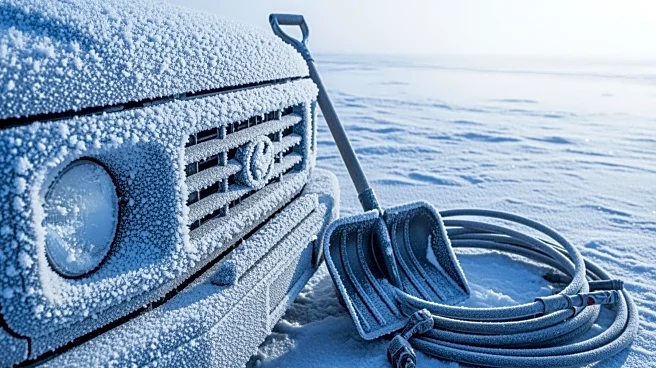
In Yakutia, Siberia, where temperatures can drop to -95.8°F, residents employ specialized techniques to keep their vehicles operational. These include using industrial engine blankets, heated garages, and additional windshield glazing to prevent frost.
The extreme cold requires cars to idle for extended periods to avoid freezing, and local companies offer thawing services using heat guns and thermal tents. The driving culture in this region emphasizes mutual assistance, with drivers stopping to help any stationary vehicles they encounter. This combination of mechanical preparation and social responsibility enables life to continue in an otherwise inhospitable environment.
Why It's Important?
The practices developed in Yakutia highlight the ingenuity and resilience required to adapt to extreme climates. These methods not only ensure the functionality of vehicles but also foster a strong sense of community among residents. The reliance on mutual aid and specialized equipment underscores the importance of collaboration and innovation in overcoming environmental challenges. This situation also serves as a reminder of the potential impacts of climate change, as other regions may face similar extreme conditions in the future, necessitating similar adaptations.
Beyond the Headlines
The adaptations seen in Yakutia could inspire technological advancements in vehicle design and infrastructure to better withstand extreme weather conditions. The emphasis on community support and shared responsibility may also influence social policies in other regions facing environmental challenges. Additionally, the economic implications of maintaining vehicles in such conditions could drive demand for more efficient and sustainable solutions, potentially leading to new markets and industries focused on cold-weather technology.