




What's Happening?
Two Russian nationals, Tatiana Milenina and Semyon Rusanov, living in Spain, were detained and questioned by Swedish police after camping near the summer residence of Micael Johansson, the CEO of Saab, Sweden's largest arms manufacturer. The couple set
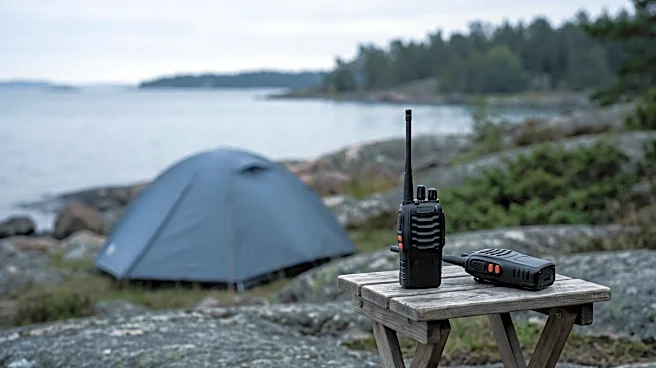
up their tent near Johansson's residence in Gävle, approximately 160 kilometers north of Stockholm. Security guards noticed them due to their possession of walkie-talkies and Milenina's request to fish from the pier, spoken in English with a Russian accent. This incident raised suspicions, leading to their detention. The couple spent five days under interrogation before being released. They claimed ignorance of the security zone and asserted they are opponents of Russian President Vladimir Putin and the war in Ukraine. They explained the walkie-talkies were a wedding gift used in areas with poor mobile signal, and their lawyer stated they were unaware of whose proximity they were in. Despite no direct evidence of malicious intent, the event has heightened concerns given recent warnings from European and American intelligence agencies about increased Russian hybrid operations in Europe.
Why It's Important?
This incident underscores the heightened geopolitical tensions and the growing concern among Western intelligence agencies regarding potential Russian espionage and sabotage activities. The proximity of Russian nationals, equipped with communication devices, to a key defense industry leader like Micael Johansson, whose company Saab is crucial for Sweden's defense and is preparing to supply Gripen fighter jets to Ukraine, is particularly sensitive. This event, regardless of the couple's stated innocence, highlights the vulnerability of critical infrastructure and personnel to foreign intelligence operations. It reinforces the warnings from European and American intelligence services about Russia's intensified hybrid warfare tactics, which include cyberattacks, disinformation, sabotage, and even assassination plots against defense industry executives. The incident serves as a stark reminder of the need for increased vigilance and security measures around high-value targets and strategic assets in the current international climate.
What's Next?
While the Russian couple has been released, the incident is likely to prompt further scrutiny and potentially enhanced security protocols around key defense figures and sensitive locations in Sweden and potentially other European nations. Swedish authorities and intelligence agencies will likely continue to investigate the circumstances surrounding the couple's presence and their true intentions, even if no immediate charges were filed. The event may also lead to increased intelligence sharing and collaboration between European and American intelligence services to counter perceived Russian threats. Furthermore, the incident could influence public discourse and policy decisions regarding national security and foreign relations, particularly concerning Russia. The ongoing war in Ukraine and the supply of military aid from Western countries will continue to keep defense industry leaders and their operations under a spotlight, making such incidents subject to intense scrutiny and potential diplomatic ramifications.
Beyond the Headlines
The incident transcends a simple trespassing case, touching upon the broader implications of state-sponsored espionage and the psychological warfare inherent in hybrid operations. Even if the couple were genuinely innocent tourists, the mere act of their presence near a high-profile defense executive creates a chilling effect and contributes to an atmosphere of suspicion and distrust. This can lead to increased paranoia and resource allocation towards counter-intelligence, diverting attention and funds from other critical areas. The use of seemingly innocuous individuals or methods, as suggested by the intelligence warnings about Russia using intermediaries for operations, blurs the lines between legitimate activity and covert intelligence gathering. This ambiguity makes it challenging for security services to differentiate genuine threats from coincidental occurrences, potentially leading to overreactions or, conversely, missed opportunities to detect real threats. The incident also highlights the personal toll on individuals like Johansson, who, despite being under state protection, face constant vigilance and the erosion of personal privacy due to their critical roles.