







What's Happening?
Daytona State College in Florida is set to launch a fully automated semiconductor training lab, a significant initiative aimed at developing a skilled workforce for the microelectronics industry. This project is supported by a $5 million grant from the U.S.
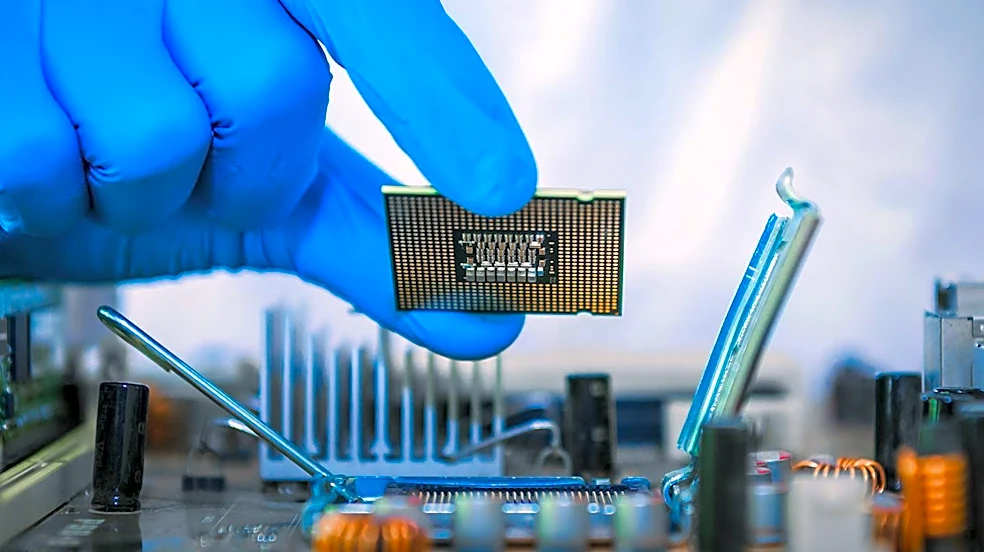
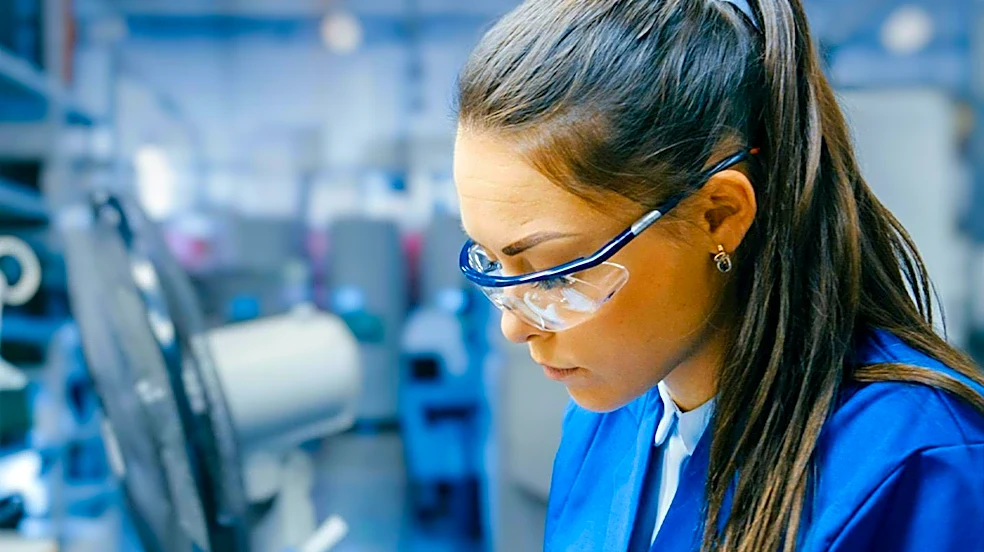
Department of Commerce’s National Science Foundation (NSF), allocated through the CHIPS and Science Act of 2022. The lab will provide hands-on learning experiences, replicating real-world industry conditions found in modern semiconductor fabrication plants, or 'fabs.' Students will interact with advanced equipment for processes like photolithography, etching, deposition, and testing, gaining practical experience in operating, maintaining, and troubleshooting cutting-edge machinery. This initiative directly addresses the urgent need for a robust and highly skilled workforce in the U.S. semiconductor sector, which has faced challenges due to historical outsourcing and recent supply chain disruptions.
Why It's Important?
The launch of Daytona State College's automated semiconductor training lab is a critical step in bolstering U.S. domestic semiconductor manufacturing and reducing reliance on foreign supply chains. The CHIPS and Science Act, which funds this initiative, recognizes that advanced manufacturing facilities require a pipeline of qualified engineers, technicians, and skilled laborers. The current shortage of skilled workers is a tangible bottleneck impacting production and innovation, with industry analyses indicating a need for tens of thousands of new workers annually. By providing state-of-the-art training that mirrors industrial processes, the lab will equip graduates with the precise skills employers are seeking, making them immediately valuable. This investment in workforce development is essential for securing economic and national security through technological sovereignty, ensuring the U.S. has the intellectual capital and practical expertise to design, manufacture, and innovate in this critical industry.
What's Next?
The curriculum for Daytona State College’s semiconductor training program is being developed in collaboration with industry leaders to ensure alignment with the latest technological advancements and employer needs. The program is expected to offer various certifications and degree pathways, focusing on practical, hands-on learning supplemented by theoretical instruction. Graduates will be equipped with skills in wafer fabrication, cleanroom protocols, equipment operation and maintenance, process monitoring, troubleshooting, quality assurance, safety regulations, and data analysis. Strong partnerships with semiconductor manufacturers are being forged to provide internship opportunities, enhance job placement rates, and ensure curriculum relevance. This initiative is expected to drive regional economic growth in Florida by attracting new semiconductor companies and related industries, creating jobs, and fostering an innovation ecosystem. The success of such programs will be crucial for the U.S. to re-establish leadership in semiconductor manufacturing and strengthen national technological sovereignty.
Beyond the Headlines
The fully automated nature of the lab signifies a paradigm shift in technical education, moving beyond traditional academic programs that may not always provide the hyper-specific, hands-on experience required for microchip fabrication. Automation plays a dual role: it simulates highly automated industrial processes and incorporates automated elements for efficient lab operation, providing students with insights into managing automated systems. This prepares students for an industry where human intervention increasingly focuses on higher-level tasks like process control and quality assurance. The initiative also highlights the broader economic and national security implications of a skilled domestic workforce. By fostering such a workforce, the U.S. can reduce vulnerabilities in its supply chains, enhance economic resilience, and ensure access to advanced microelectronics vital for defense systems and critical infrastructure. This model of collaboration between educational institutions and industry, supported by federal funding, is crucial for shaping the future of American innovation and manufacturing.