




What's Happening?
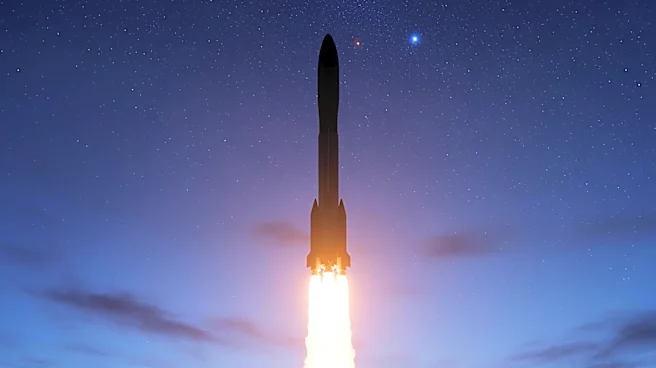
SpaceX is set to launch a Falcon 9 rocket carrying 45 payloads, including the South Korean Compact Advanced Satellite 500-2 (CAS500-2), from Vandenberg Space Force Station. The launch, scheduled for 11:59 p.m. PDT, marks the second satellite in Korea Aerospace
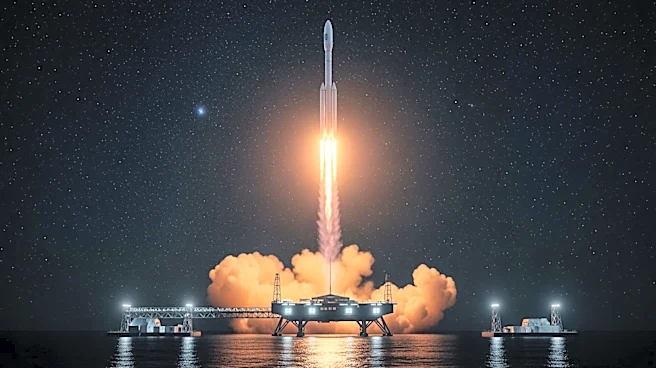
Industries' CAS500 program, aimed at precision ground-based observation. This mission underscores the U.S.-Republic of Korea alliance and Vandenberg's role in facilitating international space cooperation. The Falcon 9's first stage booster, making its 33rd flight, will attempt a landing at Landing Zone 4. The CAS500-2 satellite was initially planned for a 2022 launch on a Russian rocket but faced delays due to geopolitical tensions. The mission also includes 44 other payloads from various international partners, highlighting the growing demand for rideshare missions.
Why It's Important?
This launch is significant as it reinforces the strategic partnership between the U.S. and South Korea in space exploration, contributing to regional stability and a free Indo-Pacific. The mission also demonstrates SpaceX's capability to support international partners in deploying critical space assets. The inclusion of multiple payloads from global companies like Exolaunch and Loft Orbital indicates a robust demand for commercial space services, potentially boosting the U.S. space industry's economic prospects. The successful deployment of these satellites could enhance global satellite-based services, impacting sectors such as telecommunications, Earth observation, and defense.
What's Next?
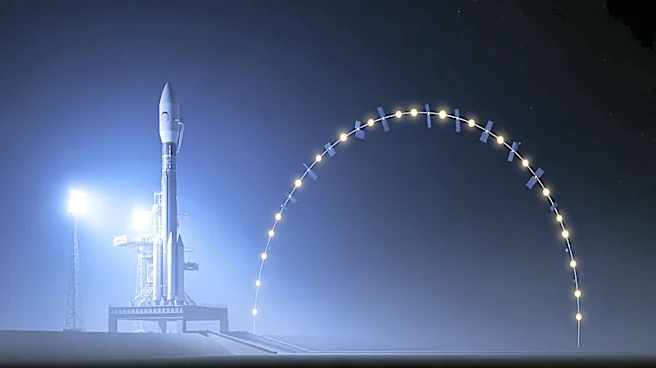
Following the launch, the CAS500-2 satellite will enter a Sun-synchronous orbit, providing valuable data for South Korea's observation needs. The successful landing of the Falcon 9 booster will add to SpaceX's record of reusability, potentially lowering future launch costs. The mission's success could lead to increased collaboration between the U.S. and international space agencies, fostering further advancements in satellite technology and space exploration. Additionally, the deployment of other payloads will expand the capabilities of various satellite constellations, supporting advancements in AI-driven data analysis and global connectivity.