



What's Happening?
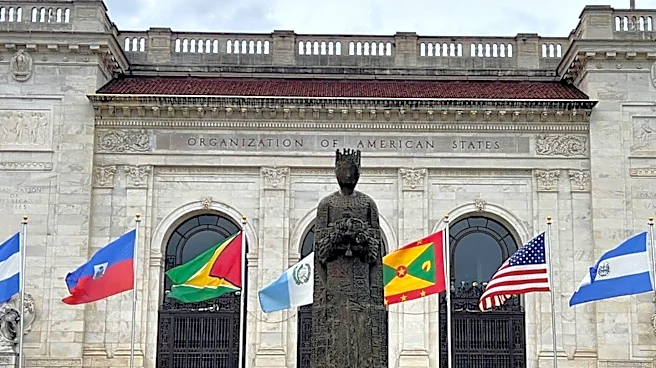
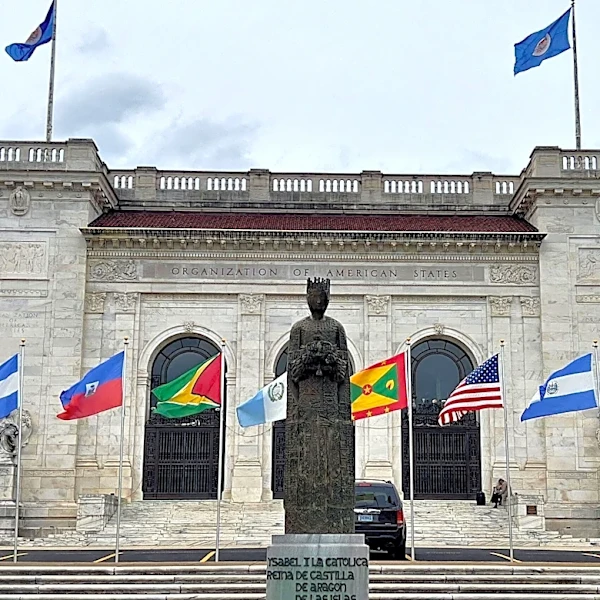
Prime Minister Alix Didier Fils-Aimé of Haiti met with Mark Lambrides, Director of the Sustainable Development Department of the Organization of American States (OAS), to discuss a new environmental initiative. The project, titled 'Clean, Safe and Resilient
Territories,' aims to enhance waste management, promote community reforestation, and facilitate the professional integration of youth across five Haitian departments: Ouest, Artibonite, Nord, Nord-Est, and Centrale. A key component of this initiative is the training of at least 2,000 young leaders, who will be tasked with fostering environmental responsibility and social cohesion within their communities. The discussions also covered potential funding mechanisms and the development of a roadmap to launch the initial interventions, which will be coordinated by the Ministry of the Environment. This collaboration signifies a concerted effort to address pressing environmental and social challenges in Haiti through a structured, multi-faceted approach.
Why It's Important?
This environmental project holds significant importance for Haiti, a nation frequently impacted by environmental degradation and socio-economic challenges. Improved waste management can mitigate public health risks and reduce pollution, while reforestation efforts are crucial for combating deforestation, soil erosion, and the impacts of climate change, which disproportionately affect vulnerable communities. The focus on integrating youth into professional roles and training them as environmental leaders is vital for long-term sustainability, empowering a new generation to take ownership of their country's environmental future. This initiative could serve as a model for other developing nations facing similar environmental and social hurdles, demonstrating how international cooperation can lead to tangible improvements in community resilience and ecological health. The project's success could also attract further international investment and support for Haiti's development goals.
What's Next?
Following the initial discussions, the next steps involve the development of a detailed roadmap for the project's implementation. This will include outlining specific timelines, identifying key performance indicators, and establishing clear roles and responsibilities for all stakeholders involved. The Ministry of the Environment will play a central coordinating role in launching the initial interventions. Further discussions will likely focus on securing the necessary funding mechanisms to ensure the project's long-term viability and scalability. The training program for 2,000 young leaders will need to be designed and rolled out, requiring curriculum development and the selection of participants. The success of these initial phases will be critical in determining the project's overall impact and its potential for expansion to other regions or similar initiatives.
Beyond the Headlines
Beyond the immediate environmental and social benefits, this project carries deeper implications for governance and international relations in the Caribbean. The collaboration between Haiti and the OAS underscores the growing recognition of environmental issues as critical components of national security and stability. By investing in youth leadership and community engagement, the project aims to build social capital and foster a sense of collective responsibility, which can contribute to broader societal resilience and reduce vulnerability to future crises. This initiative could also strengthen Haiti's institutional capacity in environmental governance and project management, setting a precedent for future partnerships. The focus on sustainable development aligns with global efforts to achieve the United Nations Sustainable Development Goals, positioning Haiti as a proactive participant in addressing global environmental challenges.