




What's Happening?
Spirit of America, a non-governmental organization, is actively collaborating with the U.S. military and diplomats to provide rapid assistance in various global contexts. The Honorable Aaron S. Williams, former Director of the U.S. Peace Corps and a member
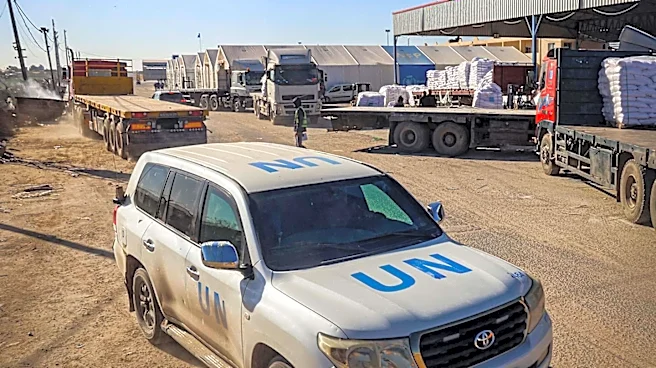
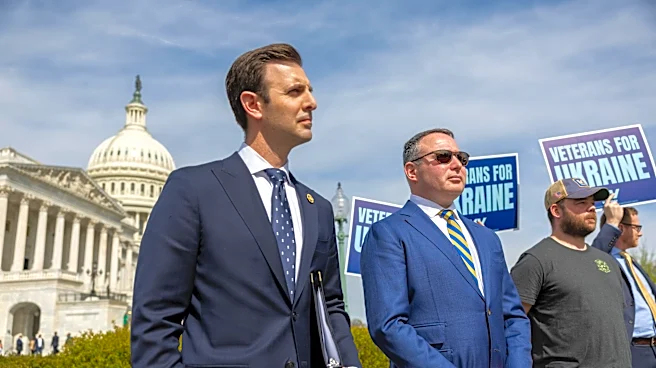
of Spirit of America's Board of Advisors, highlights the organization's unique model. Spirit of America works directly with American troops and diplomats, as well as vetted local partners, to identify urgent needs and deliver resources quickly, bypassing traditional bureaucratic hurdles. In Ukraine, the organization has provided over $82 million in assistance aimed at helping Ukrainians save lives and counter Russian aggression. Williams emphasizes that both the Peace Corps and the military share a common goal of fostering a more peaceful world and protecting American values, asserting that national security ultimately aims for a world of allies rooted in shared values and peace. He stresses that achieving this vision requires more than just government efforts, allowing citizens a direct role through organizations like Spirit of America.
Why It's Important?
Spirit of America's operational model is significant because it demonstrates an effective non-governmental approach to supporting U.S. national security objectives and foreign policy. By directly partnering with military and diplomatic personnel, the organization can rapidly deploy resources and address immediate needs in dynamic environments, which traditional government mechanisms might find challenging due to bureaucratic processes. This agility is particularly crucial in conflict zones like Ukraine, where timely assistance can have a direct impact on saving lives and influencing the course of events. The involvement of figures like Aaron S. Williams also underscores a broader recognition that national security extends beyond conventional military and diplomatic channels, incorporating civilian efforts and partnerships. This model can enhance the effectiveness of U.S. engagement abroad, fostering stronger relationships with local populations and providing critical support that complements official government initiatives, ultimately contributing to a more stable global environment.
What's Next?
Spirit of America is likely to continue its rapid response model in Ukraine and potentially expand its operations to other regions where U.S. troops and diplomats are engaged. The organization's success in delivering substantial aid and its endorsement by prominent figures like Aaron S. Williams could lead to increased funding and broader recognition of its approach. This might encourage other non-governmental organizations to adopt similar direct partnership models with government entities, fostering a more integrated approach to foreign assistance and national security. Furthermore, the ongoing conflict in Ukraine suggests a continued need for such agile support, meaning Spirit of America's efforts there will likely persist. The organization may also seek to formalize its partnerships with the Department of War and Department of State to streamline coordination and maximize impact, potentially influencing future U.S. foreign aid strategies to include more flexible, non-governmental collaborations.
Beyond the Headlines
The collaboration between Spirit of America and U.S. military/diplomatic personnel raises deeper questions about the evolving nature of international aid and national security. It blurs the lines between governmental and non-governmental roles, suggesting a future where hybrid models of engagement become more prevalent. Ethically, this approach emphasizes citizen participation in global affairs, empowering individuals to contribute directly to humanitarian and security outcomes. It also highlights the importance of trust and efficiency in delivering aid, potentially setting new standards for accountability and impact in the non-profit sector. Culturally, such partnerships can foster greater understanding and cooperation between military and civilian spheres, breaking down traditional silos. Legally, the direct engagement with military forces by a civilian organization might prompt discussions on oversight and the legal frameworks governing such collaborations, especially in sensitive operational environments. This model represents a significant shift towards a more integrated and agile approach to addressing complex global challenges.