
What's Happening?
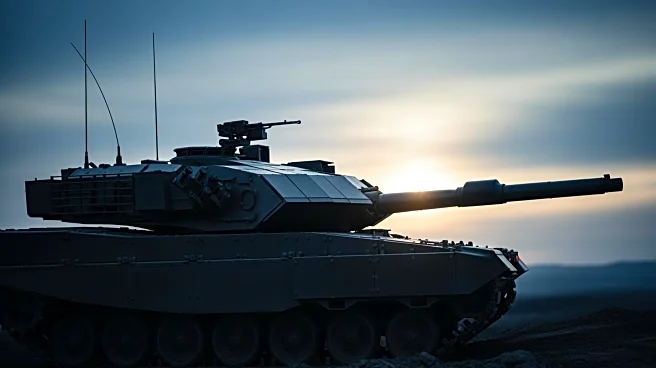
The Croatian Ministry of Defense has signed a contract to purchase 44 Leopard 2A8 tanks from Germany, valued at approximately €1.5 billion ($1.8 billion). The deal was finalized during an official visit
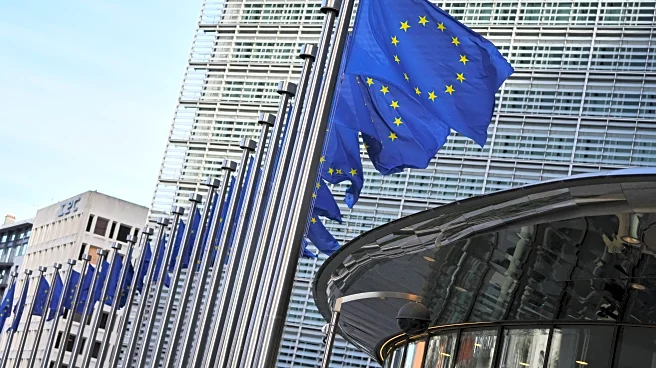
to Berlin by Croatian leaders, including Deputy Prime Minister and Defense Minister Ivan Anušić. The acquisition is part of a broader effort by Croatia to transition from Eastern to Western military technology, facilitated by the European Union's Security Action For Europe (SAFE) scheme. This initiative provides low-cost loans to EU member states for urgent defense acquisitions, aiming to close critical capability gaps. The tanks are expected to be delivered between 2028 and 2030, and Croatia joins other NATO countries in this joint procurement effort.
Why It's Important?
This acquisition marks a significant step in Croatia's military modernization efforts, aligning its defense capabilities with Western standards. The use of EU loans for defense spending highlights the bloc's commitment to strengthening its members' military readiness amid growing security concerns in Europe. The Leopard 2A8 tanks represent a strategic upgrade for Croatia, enhancing its ability to respond to potential threats. This move also reflects the broader trend of Eastern European countries bolstering their defenses in response to regional tensions, particularly with Russia. The deal underscores the importance of international cooperation in defense procurement and the role of the EU in facilitating such initiatives.
What's Next?
Croatia will focus on integrating the new tanks into its military operations, which may involve training and infrastructure upgrades. The country will also continue to collaborate with other NATO members involved in the joint procurement, potentially leading to further defense partnerships. The EU's SAFE scheme may see increased utilization as other member states seek to enhance their military capabilities. This development could prompt discussions on the EU's role in defense and security, particularly in light of ongoing geopolitical challenges. The successful implementation of this acquisition may encourage other countries to pursue similar initiatives, further strengthening NATO's collective defense posture.