








What's Happening?
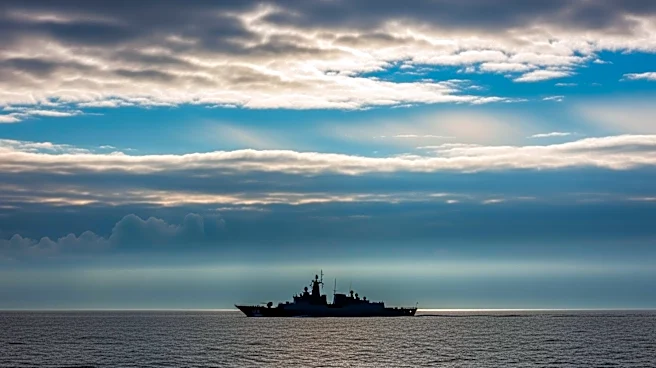
Russia's navy has conducted military drills in the Baltic Sea, coinciding with major U.S.-NATO exercises in the region. The NATO BALTOPS naval exercise, which began on June 4 and runs until June 20, is the largest war game in the Baltic Sea this year,
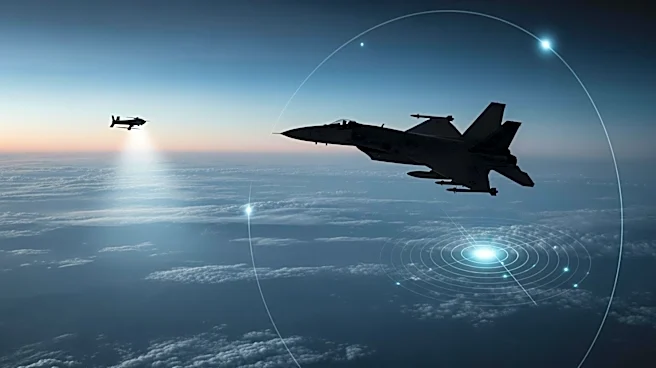
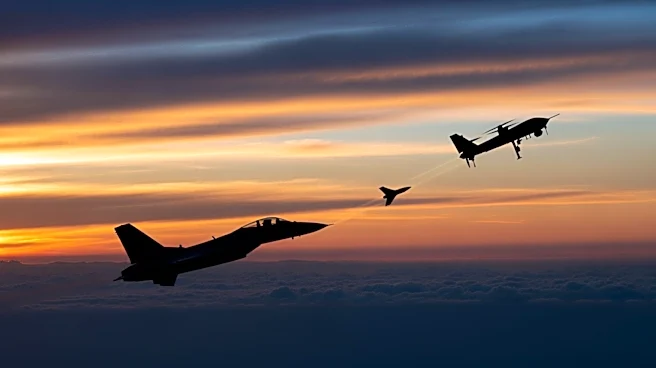
involving 20 vessels from 15 nations and approximately 6,000 personnel. In response, Russia carried out its own drills from June 8-9 near its Kaliningrad exclave, involving around 10 military aircraft, including fighter jets and bombers, as well as two small missile ships. Kaliningrad, located between NATO members Lithuania and Poland, is heavily militarized and serves as the headquarters of Russia's Baltic Fleet. President Vladimir Putin has stated that Russia possesses the necessary means to destroy any force attempting to attack Kaliningrad.
Why It's Important?
The simultaneous military exercises by NATO and Russia in the Baltic Sea underscore the heightened tensions between the two sides. The region is strategically significant, with Kaliningrad serving as a critical military hub for Russia. The drills demonstrate Russia's readiness to defend its interests in the area, particularly in response to NATO's presence. This situation could potentially escalate into a broader conflict if not managed carefully, affecting regional security and stability. The exercises also highlight the ongoing geopolitical struggle between Russia and NATO, with both sides showcasing their military capabilities.
What's Next?
As the NATO exercises continue until June 20, further military activities from both sides could be expected. The international community will likely monitor the situation closely to prevent any accidental escalations. Diplomatic efforts may be necessary to de-escalate tensions and ensure that the exercises do not lead to unintended confrontations. The outcome of these drills could influence future military strategies and alliances in the region.