



What's Happening?
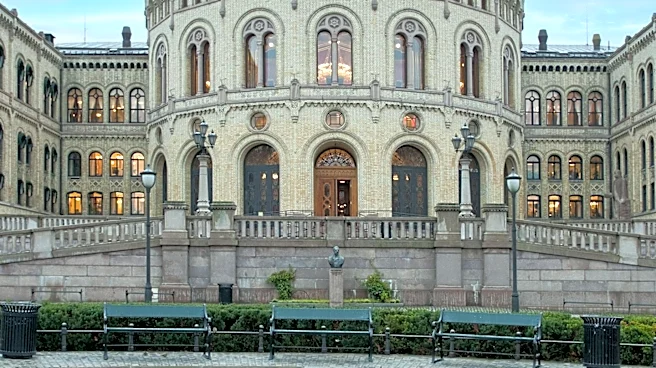
The Sámi Parliament has officially opened a permanent office within the Norwegian Storting (Parliament), marking a significant step towards closer collaboration and enhanced indigenous representation. Although operational since August, the formal opening
took place two years after the Storting considered the report by the Truth and Reconciliation Commission. Mr. Grimstad, during the opening, highlighted the positive contribution of the Sámi Parliament's two staff members, who facilitate in-house meetings for Sámi politicians and liaise with Storting committees and party groups. Their presence aims to identify issues and processes that may affect Sámi interests and provide information about Sámi rights in the Storting’s decision-making processes. Kent Valio, Director General of the Sámi Parliament, emphasized that this ceremony is an explicit recognition of the Sámi Parliament’s position and role in Norwegian democracy, as well as the Storting’s duty to consult the Sámi Parliament on matters impacting Sámi interests. This initiative is seen as closing the geographical and political distance between the two parliaments.
Why It's Important?
The establishment of a permanent Sámi Parliament office in the Norwegian Storting is a landmark development for indigenous rights and democratic inclusion in Norway. It signifies a formal and explicit recognition of the Sámi people's unique status and their right to self-determination within the Norwegian state. This move institutionalizes a direct channel for Sámi voices to influence national policy-making, ensuring that their interests are considered at the highest levels of government. Historically, indigenous communities have often been marginalized in political processes, and this initiative aims to rectify that by embedding Sámi representation directly within the national legislative body. It sets a precedent for how national parliaments can integrate indigenous perspectives, potentially inspiring similar models in other countries with indigenous populations. The office will serve as a crucial mechanism for consultation, advocacy, and information exchange, fostering a more inclusive and representative democracy in Norway.
What's Next?
The permanent presence of the Sámi Parliament's office in the Storting is expected to lead to more direct and effective advocacy for Sámi interests in Norwegian legislation and policy. The staff will continue to work on identifying relevant issues and providing expert input to Storting committees and party groups. This enhanced collaboration could result in policies that are more attuned to the needs and rights of the Sámi people, particularly in areas such as land use, resource management, language preservation, and cultural protection. The success of this model could also encourage further integration of indigenous governance structures into national political systems. The ongoing dialogue and cooperation between the two parliaments will be crucial in addressing historical injustices and ensuring that Sámi rights are upheld and promoted in the future. This initiative represents a continuous effort towards reconciliation and strengthening the relationship between the Norwegian state and the Sámi people.
Beyond the Headlines
This development goes beyond mere administrative convenience; it represents a profound shift in the relationship between a nation-state and its indigenous population. By granting a permanent physical and political presence within the national parliament, Norway is actively working to decolonize its political structures and empower the Sámi people. This move acknowledges the inherent right of indigenous peoples to participate in decisions that affect them, moving beyond symbolic gestures to concrete institutional change. It highlights the importance of self-determination and cultural preservation as integral components of a healthy democracy. The initiative also serves as a powerful example of how reconciliation efforts can translate into tangible political reforms, fostering mutual respect and understanding. This model could inspire international discussions on best practices for indigenous representation and governance, contributing to a broader global movement for indigenous rights and recognition.