
What's Happening?
Dues-paying members of the Conservation Society of San Antonio have delivered a petition to the organization's elected leaders, including President Betty Bueché, demanding a special meeting. This action
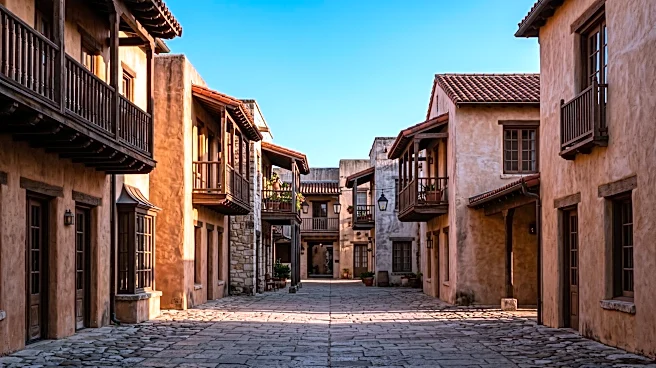
follows the society's decision to pause its signature fundraising event, 'A Night In Old San Antonio' (NIOSA), for 2027. The members are seeking transparency and answers regarding the board's decision, which was made on September 16, citing declining attendance and sales. The board voted 17-10 to suspend the event. Members are requesting access to past meeting minutes, a La Villita lease agreement, emails with the City of San Antonio, and information on the feasibility of NIOSA and alternative fundraising plans. Concerns have also been raised about a potential conflict of interest involving the leader of the society’s newly created fundraising task force and discussions of relocating the event to Hemisfair, where her daughter works. Hemisfair CEO Melissa Robinson has stated that event hosting decisions do not involve other staff members or the board. The City of San Antonio owns La Villita Historic Arts Village and Hemisfair.
Why It's Important?
The controversy surrounding the pausing of NIOSA is significant for San Antonio's cultural landscape and historic preservation efforts. NIOSA is one of Fiesta's largest and longest-running events, and its absence in 2027 could have substantial financial implications for the Conservation Society, which relies on the event for its preservation work. The society, celebrating its 100th anniversary in 2024, has been instrumental in preserving historic structures across the city, including the Spanish Governor’s Palace and the Steves Homestead. Members fear that alternative fundraising ideas, such as cookbooks and cookie tins, will be insufficient to support the society's vital preservation activities. The dispute also highlights issues of transparency and governance within long-standing non-profit organizations, as members question the rationale behind the board's decision and the process by which it was made. The potential relocation of NIOSA to Hemisfair, a move that some members oppose due to the event's historical ties to 'Old San Antonio,' further underscores the cultural and traditional importance of the event to the community.
What's Next?
The Conservation Society board is now obligated to call a special meeting within 30 days, as stipulated by the organization's bylaws, due to the petition gathering the requisite number of signatures. This meeting is expected to be a forum for members to directly address the board's decision to pause NIOSA and demand greater transparency. Members are prepared for a continued 'battle to save NIOSA,' emphasizing the need for audits and reports to justify the pause. The future of NIOSA beyond 2027 remains uncertain, with discussions around potential smaller versions of the event at different venues or times of the year. The City of San Antonio, which partners with Fiesta organizations and owns the potential venues, has expressed its commitment to supporting the celebration and working with partners. The outcome of the special meeting and subsequent actions by the Conservation Society will determine the fate of one of San Antonio's most cherished cultural events and the funding for its historic preservation initiatives.
Beyond the Headlines
The dispute over NIOSA extends beyond a single event, touching upon deeper themes of tradition versus modernization, financial sustainability in non-profits, and community engagement in cultural preservation. The event's historical significance, deeply rooted in San Antonio's identity, makes any proposed changes highly contentious. The allegations of a lack of transparency and potential conflicts of interest within the Conservation Society's leadership raise questions about governance practices in organizations responsible for public heritage. The situation also reflects a broader challenge faced by many long-standing cultural events: balancing tradition with evolving financial realities and audience expectations. The emotional investment of long-time volunteers and members, who view NIOSA as integral to the city's heritage and their personal contributions, underscores the profound impact such decisions have on community spirit and volunteer morale. The resolution of this conflict could set a precedent for how similar cultural institutions navigate financial pressures while upholding their historical missions and maintaining member trust.