






What's Happening?
The United Arab Emirates (UAE) has initiated discussions with the United States regarding a potential financial lifeline as the ongoing conflict with Iran raises economic concerns. According to a report by the Wall Street Journal, UAE Central Bank Governor
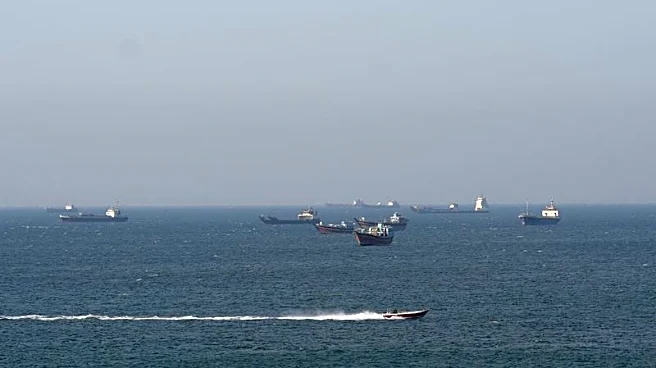
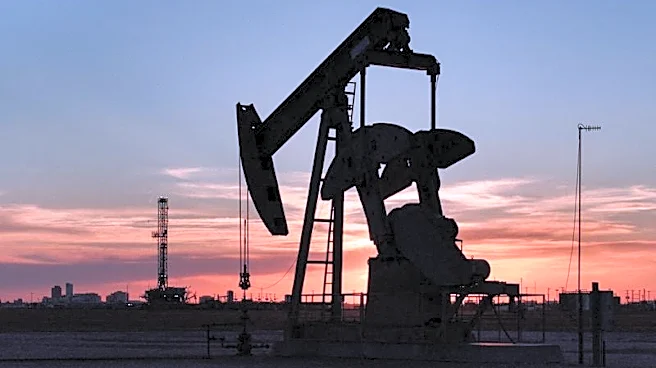
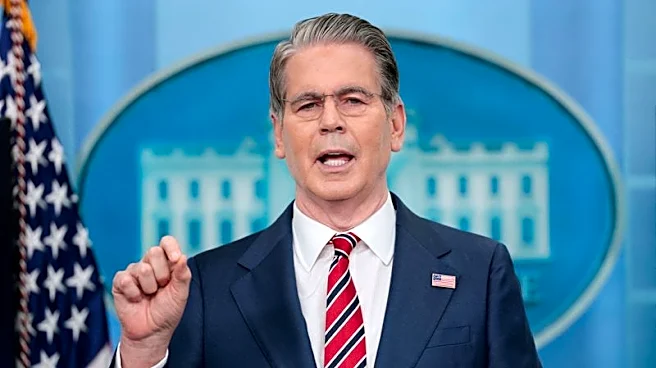
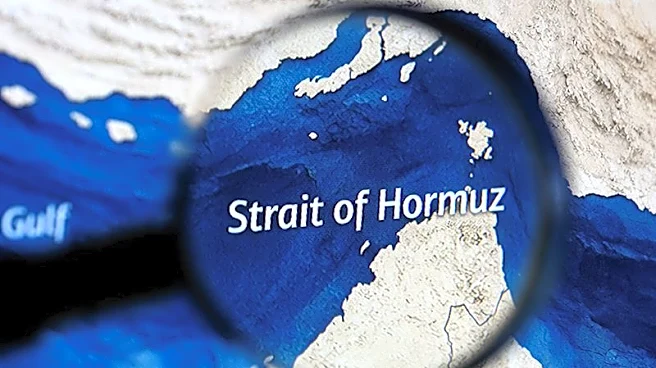
Khaled Mohamed Balama proposed the idea of a currency swap line during meetings with U.S. Federal Reserve and Treasury officials, including Treasury Secretary Scott Bessent, in Washington. The UAE is seeking to mitigate the economic impact of the conflict, which has already affected its energy infrastructure and blocked oil shipments through the Strait of Hormuz, a critical passage for oil exports. Despite not having formally requested a swap line, the UAE is preparing for potential economic challenges, including a drain on foreign currency reserves and capital flight. The conflict has resulted in significant damage, with over 2,800 missiles and drones reportedly targeting the UAE since the conflict began on February 28.
Why It's Important?
The discussions between the UAE and the U.S. highlight the broader economic implications of the Iran conflict on international financial stability and energy markets. The UAE, a key player in the global oil market and an international financial hub, faces potential economic destabilization if the conflict continues to disrupt oil exports and damage infrastructure. A currency swap line with the U.S. could provide the UAE with a financial buffer, helping to stabilize its economy and maintain investor confidence. This situation underscores the interconnectedness of global economies and the potential ripple effects of regional conflicts on international markets. The outcome of these discussions could influence U.S. foreign policy and economic relations in the Middle East, as well as impact global oil prices and supply chains.
What's Next?
If the UAE formally requests a currency swap line, it could lead to further negotiations with the U.S. Federal Reserve and Treasury to establish the terms and conditions of such an agreement. The U.S. may weigh the geopolitical and economic benefits of supporting the UAE against potential risks. Additionally, other countries in the region may seek similar financial arrangements if the conflict continues to escalate. The international community will likely monitor these developments closely, as they could set a precedent for financial support mechanisms in conflict-affected regions. The situation may also prompt discussions on broader economic and security cooperation between the U.S. and its allies in the Middle East.