



What's Happening?
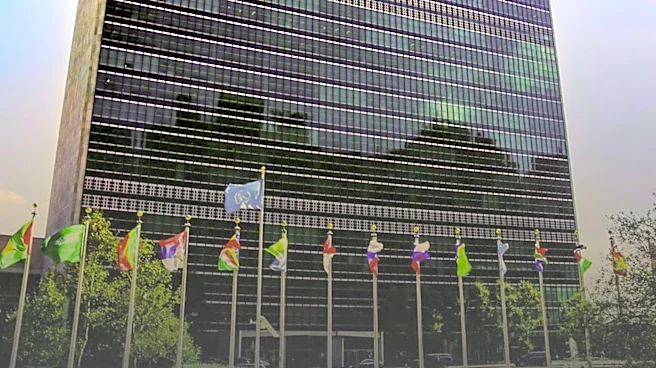
As the United Nations undergoes a leadership transition, recommendations suggest that the new Secretary-General's initial 1,000 days should prioritize advancing existing commitments, such as the Pact for the Future and the Sevilla Commitment. This approach
aims to provide a public roadmap that clearly displays progress. The emphasis on upholding the principles of the UN Charter is also highly valued by participants in discussions regarding the future of UN leadership. These findings stem from a regional convening held in Johannesburg in July 2026, organized by several international bodies including the South African Institute of International Affairs (SAIIA), the United Nations Foundation, New York University’s Center on International Cooperation, and Cepei. The discussions were part of the 'Guidance and Regional Intelligence for the Transition of UN Leadership' project, which seeks to gather global perspectives on what the UN needs from its next leader to navigate an increasingly complex international landscape.
Why It's Important?
The focus on existing commitments like the Pact for the Future is crucial for maintaining continuity and building on previous efforts within the UN system. In recent decades, member states have increasingly approached the UN through the lens of national interest, which has limited the institution's overall effectiveness. By prioritizing established agreements, the new leadership can work to re-center the UN's mission on collective global challenges rather than fragmented national agendas. This strategy aims to strengthen the organization's capacity to anticipate crises, placing development and human rights at the forefront of prevention efforts. Furthermore, it advocates for new models of development finance that emphasize investment, domestic resource mobilization, and a more equitable approach to sovereign debt, which could significantly impact global economic stability and development, particularly in vulnerable regions.
What's Next?
The recommendations suggest that the incoming Secretary-General should establish a public roadmap for advancing commitments like the Pact for the Future. This roadmap would make progress visible and hold the leadership accountable. The conversation on UN reform is also expected to include a reflection by governments on how their own choices can strengthen the organization's work, moving beyond a purely national interest perspective. This could lead to increased collaboration and a more unified approach to global issues. Additionally, there is a call for strengthening the UN's capacity to anticipate crises, which implies potential investments in early warning systems and proactive diplomatic efforts. The push for new development finance models could also lead to policy changes and increased international cooperation on economic development and debt relief.
Beyond the Headlines
The emphasis on existing commitments like the Pact for the Future reflects a broader recognition of the need for sustained, long-term strategies in global governance. It highlights a potential shift away from reactive crisis management towards proactive, preventative measures. The call for member states to reflect on how their national interests impact the UN's effectiveness points to a deeper ethical consideration of global responsibility versus national sovereignty. This could trigger discussions about the balance of power within international institutions and the need for greater collective action on issues like climate change, poverty, and conflict. The proposed focus on development and human rights as central to prevention also underscores a more holistic approach to peace and security, recognizing that these factors are deeply interconnected and essential for lasting stability.