





What's Happening?
Representative Marie Gluesenkamp Perez (D-Washougal) is facing questions regarding discrepancies in her financial disclosures related to stock holdings. These questions arise as she has actively co-sponsored legislation to ban members of Congress from
trading individual stocks. In January 2023, she co-sponsored the TRUST in Congress Act, aiming to mandate blind trusts for congressional members' investments. Less than six weeks later, she amended her candidate financial disclosure to include Amazon and Tesla shares that were not present in her original filing. Subsequent filings also showed Apple stock appearing and Robinhood shares disappearing, with Amazon shares later missing from annual reports without a clear record of sale. Federal disclosure laws require members to report investment assets over $1,000 or those generating over $200 in unearned income, and transactions over $1,000 within specific timeframes. These disclosure issues are surfacing as she is in a competitive race to retain her 3rd Congressional District seat against Republican state Senator John Braun.
Why It's Important?
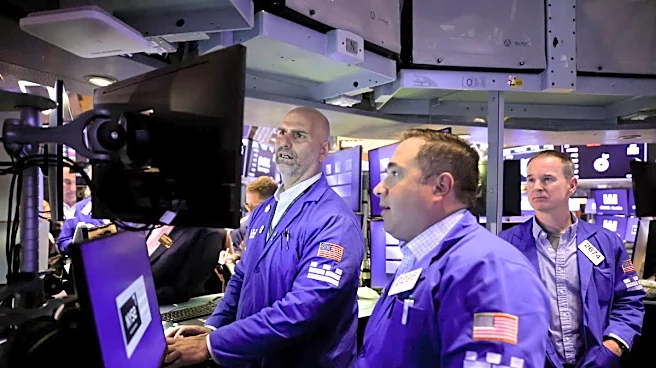
The scrutiny over Representative Gluesenkamp Perez's stock disclosures is significant as it directly impacts public trust in government transparency and the integrity of elected officials. Her advocacy for a ban on congressional stock trading, while simultaneously facing questions about her own past disclosures, could undermine the credibility of such legislative efforts. The issue highlights the ongoing debate about potential conflicts of interest when lawmakers trade individual stocks, especially given their access to sensitive information. For the U.S. political landscape, this situation could fuel public cynicism regarding politicians' commitment to ethical standards and financial accountability. It also provides fodder for her opponent in a closely watched congressional race, potentially influencing voter perception and the outcome of the election. The broader implication is a continued focus on stricter financial disclosure rules and potential reforms to prevent insider trading or perceived conflicts of interest among elected officials.
What's Next?
The immediate next step for Representative Gluesenkamp Perez will likely involve addressing the questions surrounding her financial disclosures, especially as her re-election campaign against Republican state Senator John Braun intensifies. She may need to provide further clarification or documentation regarding the missing Amazon shares and the timing of her amendments. The House Ethics Committee, which provides guidance on disclosure laws, could potentially review the matter if a formal complaint is filed, though the current reports do not establish a violation of federal law. The issue is expected to remain a talking point in the competitive 3rd Congressional District race, influencing public debate and voter decisions. Furthermore, the broader legislative push for a ban on congressional stock trading, which Gluesenkamp Perez has supported, may face increased scrutiny or renewed calls for more robust enforcement of existing disclosure rules in light of these developments.
Beyond the Headlines
Beyond the immediate political implications, this situation underscores a deeper societal concern about the ethical conduct of public servants and the mechanisms in place to ensure transparency. The public's trust in government institutions is often eroded by perceived financial impropriety, regardless of whether legal violations are proven. This case highlights the inherent tension between a lawmaker's personal financial activities and their public duty, especially when they are privy to information that could influence market outcomes. It also brings to light the complexities and potential loopholes in current financial disclosure laws, prompting discussions about whether these regulations are sufficient to prevent conflicts of interest and maintain public confidence. The ongoing debate about congressional stock trading reflects a broader desire for accountability and a level playing field, where elected officials are seen as serving the public interest rather than their personal financial gain.