


What's Happening?
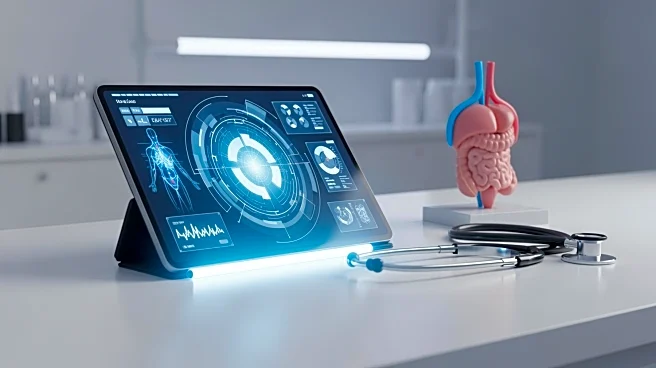
Medical training is evolving with the integration of interactive, image-based learning tools that enhance student engagement and diagnostic skills. Traditional methods relying on memorization are proving insufficient for preparing students for real-world
medical scenarios. Interactive learning, which combines visual aids with clinical reasoning, is being adopted to improve understanding and retention. This approach allows students to apply theoretical knowledge in practical settings, bridging the gap between classroom learning and clinical practice. Digital tools are facilitating this shift, enabling educators to incorporate interactive elements into their teaching without requiring extensive IT expertise.
Why It's Important?
The shift towards interactive learning in medical education addresses critical issues such as burnout and diagnostic errors. By engaging students more effectively, these methods can improve motivation and satisfaction, reducing burnout rates. Enhanced diagnostic skills are crucial for medical practitioners who must make quick, accurate decisions in high-pressure environments. The use of digital tools in education also aligns with the growing demand for scalable, efficient training methods that can keep pace with the evolving needs of the healthcare industry.
Beyond the Headlines
The integration of technology in medical training not only improves educational outcomes but also prepares future healthcare professionals to navigate complex clinical environments. By fostering critical thinking and decision-making skills, interactive learning tools contribute to better patient care and compliance with regulatory standards. This approach represents a significant advancement in medical education, ensuring that students are well-equipped to meet the challenges of modern healthcare.