






What's Happening?
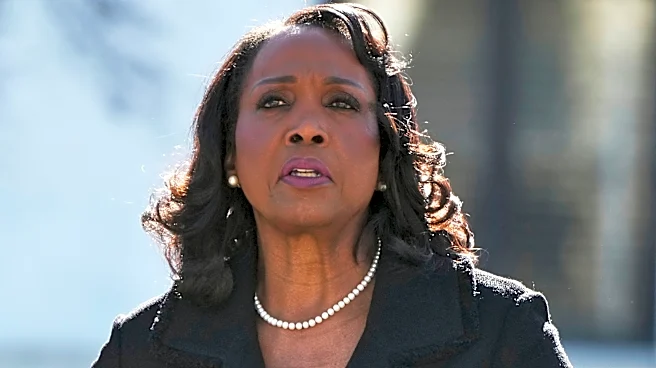
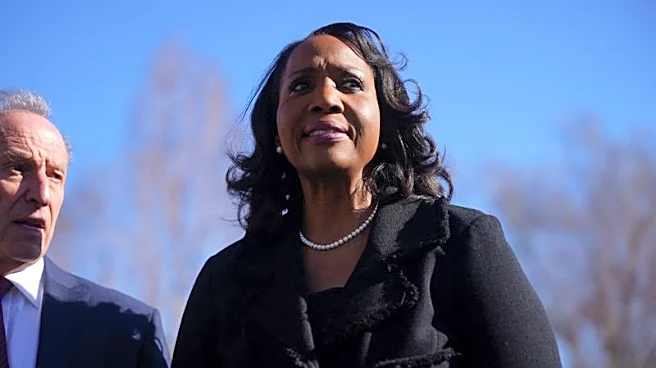
Catherine Herridge, a veteran investigative journalist, is facing a legal battle over a contempt order that requires her to reveal her sources or pay a daily fine of $800. This stems from a 2017 series of stories she wrote for Fox News. The U.S. Court
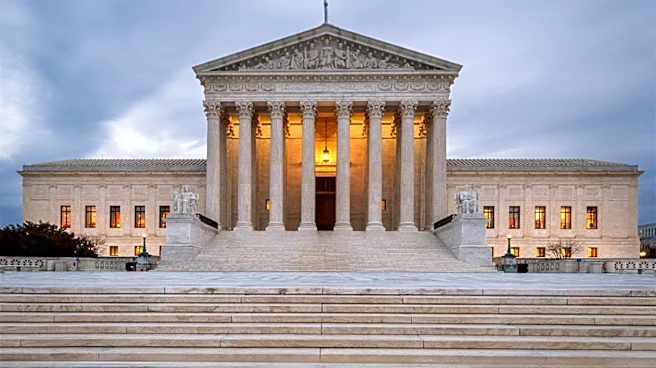
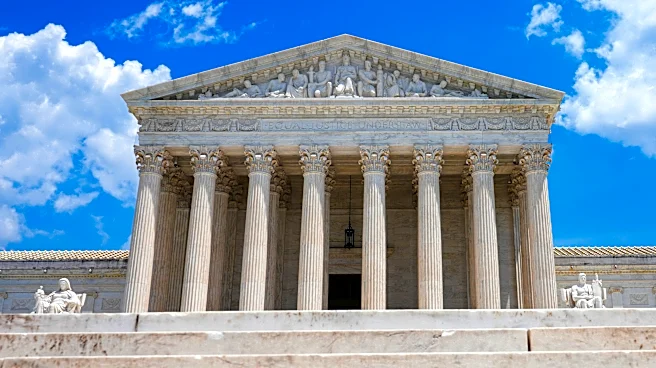
of Appeals for the District of Columbia Circuit recently denied her plea to stay a February 2024 ruling that held her in contempt. In response, Herridge's legal team filed a petition with the U.S. Supreme Court, which Chief Justice John Roberts has temporarily stayed. This stay allows the other party in the case, Chinese American scientist Yanping Chen, until July 1 to respond. The case originated from a privacy act lawsuit filed by Chen, who seeks to uncover who leaked information about a U.S. government investigation into her background. Herridge, supported by press freedom groups, has refused to disclose her sources, citing her responsibility as a national security journalist.
Why It's Important?
This case highlights the ongoing tension between press freedom and legal obligations to disclose sources. The outcome could have significant implications for journalists covering sensitive national security issues. Without a federal shield law, reporters like Herridge are vulnerable to legal pressures that could deter whistleblowers from coming forward. The Supreme Court's decision to temporarily stay the contempt order underscores the importance of protecting journalistic integrity and the confidentiality of sources. A ruling against Herridge could set a precedent that undermines investigative journalism, potentially leading to fewer disclosures of government misconduct.
What's Next?
The Supreme Court's temporary stay provides a brief reprieve for Herridge, but the legal battle is far from over. The court will need to decide whether to hear the case and potentially set a precedent on the issue of source confidentiality. Meanwhile, press freedom advocates are closely watching the case, hoping for a ruling that reinforces the protection of journalistic sources. The decision could influence future legal battles involving journalists and their sources, impacting how sensitive information is reported in the U.S.
Beyond the Headlines
The case raises broader questions about the balance between national security and press freedom. It also highlights the lack of a federal shield law, which leaves journalists exposed to legal challenges when protecting their sources. The outcome could influence how journalists approach sensitive stories and their willingness to report on government activities. Additionally, it may prompt discussions about the need for legislative protections for journalists to ensure the free flow of information in a democratic society.