






What's Happening?
A new study conducted by researchers at the Doherty Institute and the University of Melbourne has demonstrated that backyard mosquito traps can significantly reduce the spread of a flesh-eating disease, Buruli ulcer. The research, conducted in Melbourne,
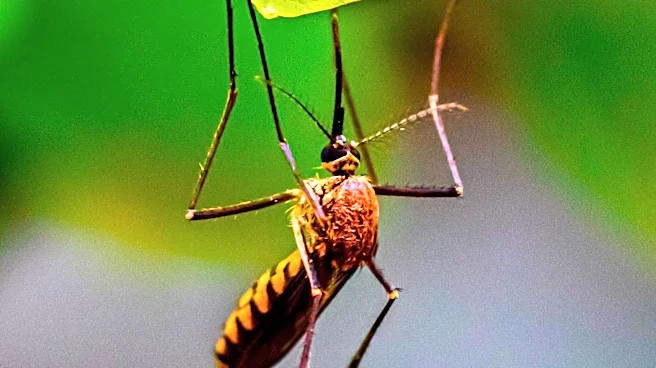
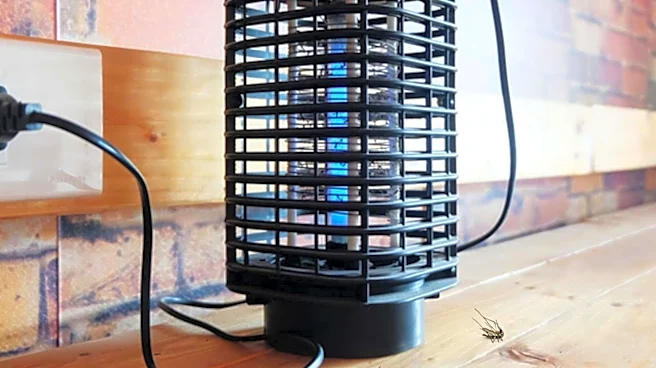
Australia, involved deploying specialized eco-friendly mosquito control traps, known as auto-dissemination stations, in transmission hotspots. These traps lure female mosquitoes with scent and water, coating them in a slow-acting larvicide powder. The mosquitoes then carry this toxin to other water sources, effectively killing larvae across entire neighborhoods. The trial showed a 70% reduction in mosquito egg counts and an 83% decrease in human Buruli ulcer cases in areas with traps compared to unprotected zones. This breakthrough offers a potential new strategy for public health officials to combat the increasing incidence of this debilitating disease.
Why It's Important?
The findings of this study are critically important for public health, particularly in regions experiencing a rise in Buruli ulcer cases. The disease, caused by the bacterium Mycobacterium ulcerans, can lead to significant skin loss, deformity, and even require skin grafts if left untreated. With Victoria reporting a record 426 cases last year and over 100 already this year, an effective intervention is urgently needed. This study provides the first evidence of a successful urban-setting intervention that prevents transmission across a neighborhood area. The ability to significantly reduce mosquito populations and, consequently, human infections through a relatively simple and eco-friendly method could transform disease control strategies. It offers a proactive approach to prevention, potentially reducing the burden on healthcare systems and improving the quality of life for residents in affected areas. The imminent regulatory approval of these traps in Australia signals a potential shift in how communities manage mosquito-borne diseases.
What's Next?
The immediate next step involves the regulatory approval of these specialized mosquito traps for purchase and use in Australia, which is reportedly imminent. Once approved, authorities will need to consider strategies for their deployment, potentially including pilot schemes or free distribution to residents in high-risk zones. Public health campaigns will likely be crucial to educate residents on the importance of using these traps and other mosquito control measures. Further research may also explore the long-term efficacy of these traps and their applicability in different geographical and environmental contexts. The success of this trial could also spur similar initiatives in other countries facing mosquito-borne diseases. The scientific community will be watching closely to see how these findings translate into broader public health action and whether Buruli ulcer can be largely eliminated in affected regions.
Beyond the Headlines
Beyond the immediate public health implications, this study highlights the innovative potential of targeted ecological interventions in disease control. The concept of auto-dissemination, where insects themselves become vectors for control agents, represents a sophisticated approach to pest management that minimizes broad environmental impact compared to widespread pesticide spraying. This method could serve as a model for controlling other vector-borne diseases, offering a more sustainable and community-centric solution. Ethically, the widespread deployment of such traps would need careful consideration regarding public acceptance, equitable access, and potential non-target effects, although the eco-friendly nature of the larvicide suggests minimal harm. Culturally, it may require a shift in public perception towards proactive, community-level engagement in disease prevention, moving beyond individual protective measures to collective action. This development underscores the ongoing battle against infectious diseases and the critical role of interdisciplinary research in finding novel solutions.