






What's Happening?
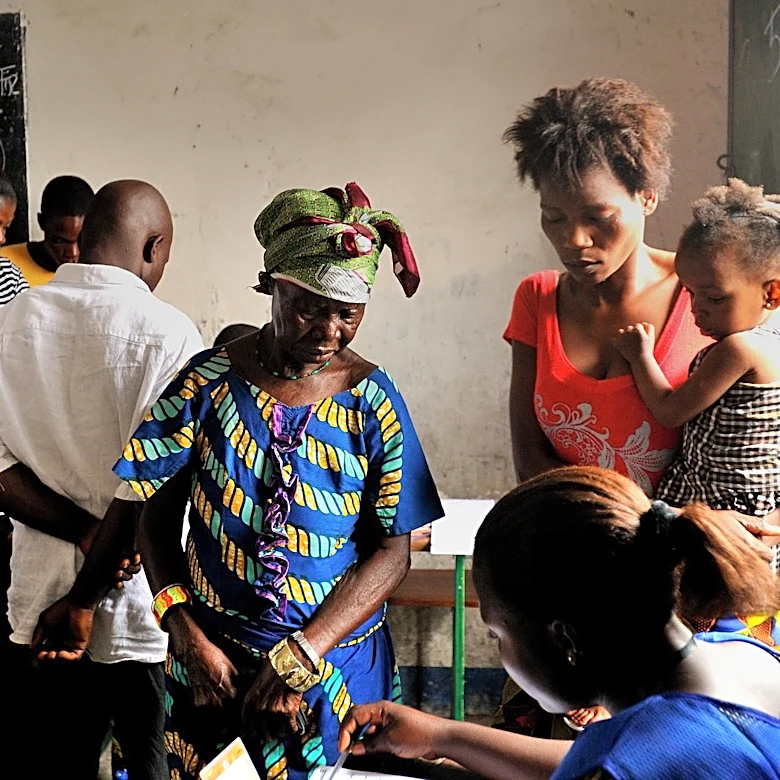
A nutrition program for pregnant women, inspired by ancestral dietary patterns and adapted to local foods in Ecuador, has shown to increase growth in a key fetal brain region. The trial, named Mikhuna, involved 215 healthy pregnant women in low-resource
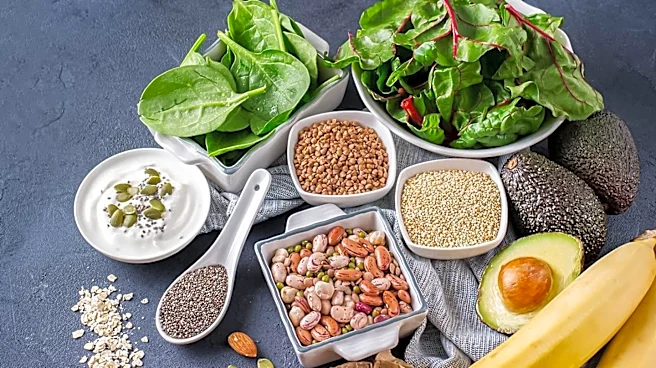
communities near Quito. Researchers randomly assigned 111 women to an intervention group and 104 to a control group receiving standard prenatal care. From approximately 12 weeks of pregnancy until birth, the intervention group received weekly deliveries of eggs, fish, fruits, and vegetables, along with guidance on diversifying their diet and limiting ultra-processed foods. The program's design incorporated evidence of human diets across evolution and adapted these nutritional principles to the Ecuadorian context, utilizing local foods and addressing specific nutritional needs. By late pregnancy, the intervention group demonstrated significantly improved dietary diversity. Ultrasound imaging revealed greater fetal brain growth in this group, particularly in the gangliothalamic ovoid (GTO), a deep brain region crucial for movement, sensory processing, thinking, and reasoning. This research builds on previous work by WashU's Lora L. Iannotti, which found that introducing one egg a day to infants from six months old reduced stunting by 47% and influenced Ecuador's national health recommendations.
Why It's Important?
This study highlights the profound impact of maternal nutrition on fetal brain development, particularly in low-resource settings where malnutrition remains a significant challenge. The findings suggest that a holistic, whole-food approach, rooted in ancestral dietary patterns and adapted to local availability, can offer substantial benefits beyond single-nutrient interventions. Improved fetal brain growth, especially in regions like the GTO, has long-term implications for a child's cognitive function, motor skills, and overall development. This is crucial in countries like Ecuador, where stunting and 'hidden hunger' (nutrient deficiencies despite adequate calorie intake) are prevalent, affecting a child's potential and increasing risks of disease and reduced lifetime earnings. The success of the Mikhuna trial in influencing national health recommendations in Ecuador demonstrates a scalable model for addressing malnutrition during critical developmental periods. The emphasis on locally and sustainably sourced foods also supports local food systems and promotes environmental sustainability, offering a dual benefit for public health and ecological well-being.
What's Next?
The research team is actively collaborating with partners in Ecuador to translate the Mikhuna findings into a national pregnancy nutrition program. This initiative will involve both government and private sector stakeholders, aiming to integrate the successful dietary intervention into broader public health strategies. The broader objective is to understand how healthy diets can be effectively adapted to diverse local contexts, ensuring they support human health without compromising the ecosystems and food systems that sustain them. Further research will likely focus on the long-term functional development of children whose mothers participated in the Mikhuna program, moving beyond biological mechanisms to assess actual functional outcomes. Additionally, the study's use of portable ultrasound as a low-cost, non-invasive tool for monitoring fetal brain development in low-resource settings could lead to its wider adoption in similar global health initiatives, providing a practical method for tracking intervention effectiveness.
Beyond the Headlines
The Mikhuna trial's approach, drawing on an evolutionary lens, challenges conventional maternal nutrition programs that often focus on individual nutrients or supplements. By emphasizing a wider variety of whole foods, similar to those consumed by hunter-gatherer-fisher societies, the study underscores the importance of dietary diversity and the potential pitfalls of modern diets reliant on carbohydrate-based staples and ultra-processed foods. This paradigm shift could influence global public health strategies, encouraging a return to more natural, locally sourced food systems. The ethical implications of ensuring equitable access to nutritious foods for pregnant women, particularly in vulnerable communities, are also brought to the forefront. The study's success in fostering collaboration between researchers and Ecuador's Ministry of Health highlights the critical role of integrated approaches in translating scientific findings into actionable public health policies, ultimately addressing the complex interplay of nutrition, environment, and human development across generations.