






What's Happening?
South Portland city leaders are exploring an optional citywide curbside composting program as a strategy to manage increasing trash disposal expenses and reduce the financial burden on taxpayers. Mayor Elyse Tipton stated that without changes, the city could
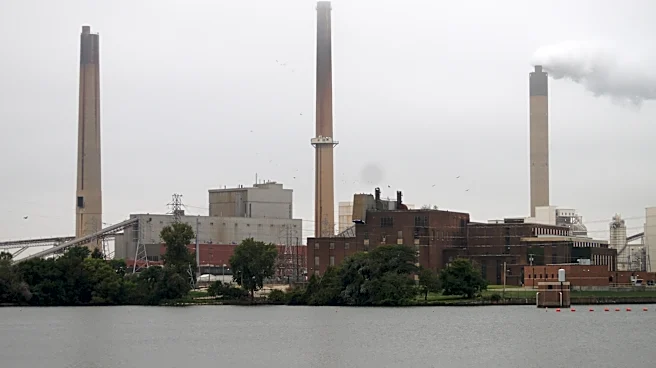
face an additional $1 million in trash costs within a few years. The initiative also aims to address environmental concerns related to the incineration of waste, specifically the creation of toxic ash. Previously, the city considered a 'pay-as-you-throw' program requiring residents to purchase special trash bags, but this proposal was met with resident pushback due to concerns about added costs. The current composting proposal suggests voluntary participation, with residents opting in paying an additional $13 annually. The goal is to encourage residents to reduce the amount of wet kitchen waste sent for incineration, which is more expensive to process.
Why It's Important?
This initiative is important for U.S. municipalities facing similar challenges with waste management and rising operational costs. The shift from a mandatory 'pay-as-you-throw' system to an optional composting program reflects a common struggle for local governments to balance fiscal responsibility with public acceptance and environmental goals. If successful, South Portland's model could provide a blueprint for other cities looking to implement sustainable waste solutions while minimizing direct financial impact on residents. The focus on reducing wet kitchen waste highlights a specific, high-impact area for waste diversion, potentially leading to significant cost savings and a reduction in environmental pollutants from incineration. This move also underscores a growing public and governmental awareness of the environmental consequences of waste disposal, pushing for more eco-friendly alternatives.
What's Next?
The South Portland City Council is expected to discuss the proposed curbside composting program in greater detail in October. This discussion will likely involve further public input and a more thorough review of the program's logistics, potential participation rates, and projected financial impacts. If approved, the city will need to establish the necessary infrastructure for collection and processing of compostable materials, as well as launch public awareness campaigns to encourage resident participation. The success of the voluntary program will depend heavily on resident adoption, which will directly influence the city's ability to reduce overall trash costs and achieve its environmental objectives. The city will also need to monitor the program's effectiveness in diverting waste and its financial performance to determine its long-term viability.
Beyond the Headlines
Beyond the immediate financial and environmental benefits, South Portland's consideration of a composting program reflects a broader societal trend towards circular economy principles and localized sustainability efforts. The rejection of the 'pay-as-you-throw' model due to resident concerns about cost highlights the delicate balance local governments must strike between implementing effective environmental policies and ensuring equitable access and affordability for all citizens. An optional program, while potentially less impactful in terms of overall waste reduction, may foster greater community buy-in and a sense of shared responsibility. This approach could also lead to increased public education on waste reduction and composting practices, cultivating a more environmentally conscious citizenry and potentially inspiring further sustainable initiatives within the community.