


What's Happening?
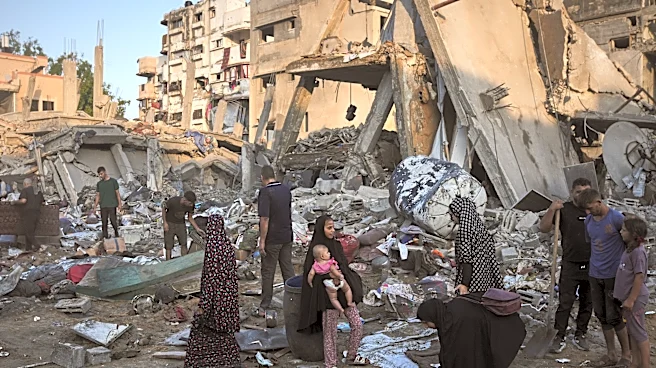
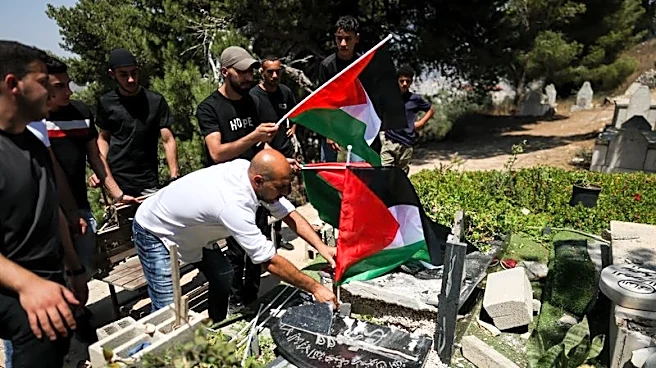
The story of Ismail al-Ghoul, a journalist from Gaza, continues to inspire efforts to share the region's narrative with the world. Al-Ghoul, who was killed by an Israeli airstrike, was known for his dedication to reporting on the conflict and his personal
connections with those affected. His encouragement to a young English-speaking acquaintance to use her language skills to tell Gaza's story has had a lasting impact. Despite the challenges of war, including displacement and loss, this individual has committed to honoring al-Ghoul's legacy by continuing to write and share the experiences of those in Gaza.
Why It's Important?
The personal story of Ismail al-Ghoul highlights the human cost of the ongoing conflict in Gaza and the power of journalism in giving a voice to the voiceless. His legacy underscores the importance of storytelling in conflict zones, where narratives can influence international perceptions and policy decisions. The commitment to continue sharing these stories reflects a broader struggle for representation and understanding in a region often defined by violence and political strife. This narrative also emphasizes the role of individual agency in shaping public discourse and the potential for personal stories to drive change.
What's Next?
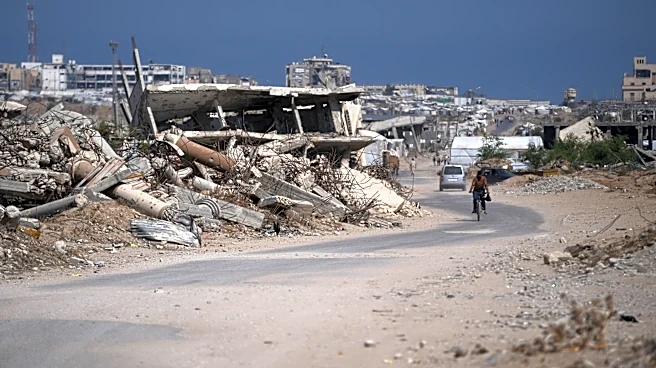
The continuation of storytelling efforts in Gaza faces numerous challenges, including limited access to resources and ongoing security threats. However, the determination to share these narratives suggests a potential for increased awareness and advocacy on behalf of those affected by the conflict. As more stories emerge, there may be opportunities for greater international engagement and support for peace initiatives. The role of media and journalism in conflict resolution will remain critical, with the potential to influence both public opinion and policy.
Beyond the Headlines
The story of Ismail al-Ghoul and those he inspired highlights the intersection of personal loss and professional duty in conflict zones. It raises questions about the ethical responsibilities of journalists and the impact of their work on both local and global scales. Additionally, the narrative reflects broader themes of resilience and hope amid adversity, offering a counter-narrative to the often overwhelming focus on violence and destruction. This perspective can contribute to a more nuanced understanding of the human dimensions of conflict.