
What's Happening?
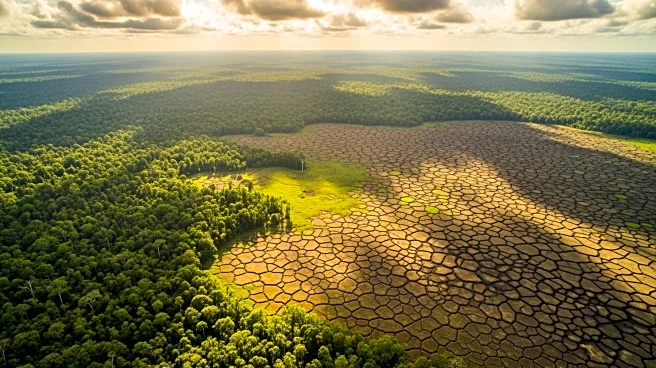
A new report from Christian Aid warns that Brazil could experience a 33.1% reduction in GDP growth by 2100 if global temperatures continue to rise by 2.9°C. The report highlights the severe economic impact
of climate change across Brazil and South America, emphasizing the need for urgent action. The Columbia Climate School also reported that climate disasters have cost North America $415 billion over three years, with potential future costs for the U.S. reaching $520 billion annually if temperatures rise.
Why It's Important?
The economic implications of climate change are becoming increasingly apparent, with significant potential impacts on national economies. For Brazil, a major player in global agriculture and biodiversity, the projected GDP reduction could affect its economic stability and development. The report underscores the urgency for global cooperation and investment in sustainable practices to mitigate climate change effects. The findings also highlight the interconnectedness of environmental and economic policies, urging countries to adopt comprehensive strategies to address these challenges.
What's Next?
Countries, including Brazil, may need to accelerate their climate action plans and invest in sustainable technologies to mitigate the economic impacts of climate change. International cooperation and policy alignment will be crucial in addressing these challenges. The upcoming COP30 climate summit in Brazil presents an opportunity for global leaders to discuss and implement effective climate strategies. Stakeholders in affected industries will need to adapt to changing environmental conditions and explore innovative solutions to ensure economic resilience.