




What's Happening?
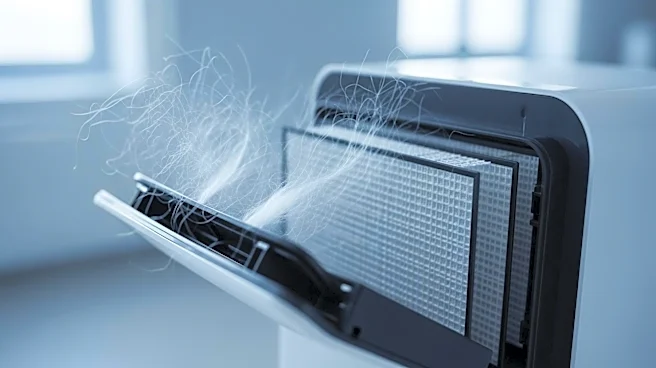
An expert has highlighted the limitations of air purifiers in filtering asbestos fibers, which are microscopic and pose significant health risks when inhaled. Despite the effectiveness of air purifiers equipped with true HEPA filters in capturing up to 99.97%
of airborne particles, they are not a reliable solution for asbestos contamination. Asbestos fibers, due to their tiny size, can remain airborne and are invisible to the naked eye, making them difficult to capture. The expert advises that while air purifiers can help reduce airborne particles like pollen, dust, and smoke, they should not be relied upon for asbestos removal. Instead, professional asbestos abatement services are recommended for proper containment and removal of asbestos materials.
Why It's Important?
The discussion around air purifiers and asbestos is crucial as asbestos exposure can lead to serious health issues, including lung cancer and mesothelioma. Understanding the limitations of air purifiers in dealing with asbestos is important for homeowners, especially those living in older homes where asbestos materials might be present. The expert's advice underscores the need for professional intervention in asbestos abatement, which is vital for ensuring safe living environments. This information is particularly relevant given the historical use of asbestos in building materials and the ongoing need for awareness and proper handling of asbestos-containing materials.
What's Next?
Homeowners who suspect the presence of asbestos in their homes are advised to halt any renovation projects and seek professional testing and abatement services. The expert emphasizes that asbestos abatement is not a DIY task and requires certified professionals to ensure safe removal or containment. As awareness of asbestos risks continues to grow, more homeowners may seek professional services to address potential asbestos issues, leading to increased demand for certified abatement companies.
Beyond the Headlines
The broader implications of asbestos exposure highlight the importance of regulatory measures and public awareness campaigns. Asbestos bans have been implemented gradually, with the final ban in the U.S. taking effect in 2024. This gradual approach reflects the complexity of phasing out hazardous materials and the need for ongoing research and policy development to protect public health. The discussion also touches on other potential environmental hazards, such as flame retardants, which may pose similar risks and require attention from policymakers and health professionals.