





What's Happening?
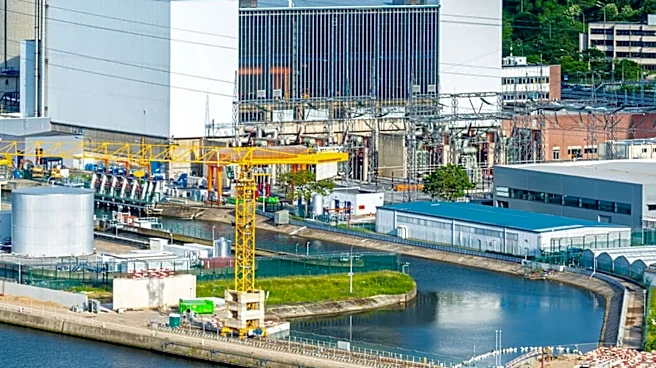
Senator Martin Heinrich has called for a federal investigation into an incident at a nuclear repository where a hoist fell 1,600 feet. The incident, which occurred on August 19, involved a hoist in an air intake shaft at the Waste Isolation Pilot Plant
(WIPP). Despite officials stating that the event posed no danger, Senator Heinrich emphasized the necessity of an independent probe. This demand highlights concerns about safety and oversight at critical nuclear facilities, even when immediate threats are downplayed by facility management. The call for a federal investigation suggests a desire for a more thorough and unbiased assessment of the incident's causes and potential implications, moving beyond internal assurances.
Why It's Important?
The demand for an independent federal probe into the WIPP hoist incident is important because it underscores the critical need for transparency and accountability in the management of nuclear waste facilities. Such incidents, regardless of immediate danger, can erode public trust and raise questions about the long-term safety protocols and infrastructure integrity of these sites. For the U.S., maintaining the highest safety standards at nuclear repositories like WIPP is paramount, given the hazardous nature of the materials stored. A federal investigation could lead to enhanced safety regulations, improved maintenance practices, and more rigorous oversight, ultimately safeguarding both the environment and public health. It also sets a precedent for how incidents at sensitive national facilities are handled, emphasizing external review over internal assessments to ensure credibility and prevent potential future risks.
What's Next?
Following Senator Heinrich's call, the next steps would likely involve the relevant federal agencies, such as the Department of Energy or an independent regulatory body, initiating a formal investigation into the WIPP hoist incident. This investigation would aim to determine the exact cause of the hoist failure, assess the extent of any damage, and evaluate the facility's safety protocols. Depending on the findings, there could be recommendations for corrective actions, including equipment upgrades, procedural changes, or increased regulatory scrutiny. The outcome of such a probe could also influence future funding decisions for nuclear waste management and infrastructure improvements, potentially leading to legislative efforts to bolster safety and oversight mechanisms at similar facilities across the nation.
Beyond the Headlines
Beyond the immediate safety concerns, this incident and the call for an independent probe touch upon broader issues of public confidence in government oversight of high-risk industries. The perceived lack of transparency or potential for self-assessment bias by facility officials can fuel public skepticism, especially concerning nuclear operations. An independent investigation, therefore, is not just about technical findings but also about restoring and maintaining trust between the public and governmental bodies responsible for managing hazardous materials. It highlights the ongoing tension between operational efficiency and stringent safety regulations, and the ethical imperative to prioritize public safety and environmental protection above all else in the nuclear sector. The incident could also reignite debates about the long-term viability and safety of current nuclear waste storage solutions.