





What's Happening?
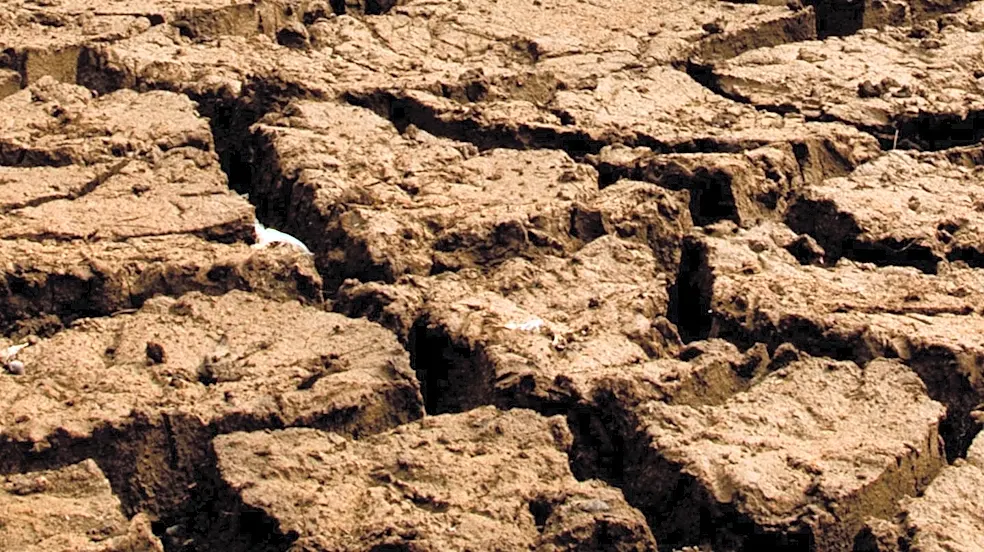
Washington State is currently experiencing drought conditions, with significant implications for its water supply. The state's drought determinations are based on a legal definition that considers an area to be in drought when its water supply is below
or projected to be below 75% of normal, and this shortage is likely to cause undue hardships for water users or the environment. Normal water supply is defined as the median amount of water available for the most recent official climate period (1991–2020). A crucial factor in Washington's water supply is its snowpack, particularly from the Cascades, which accounts for approximately three-quarters of the state's runoff. A weak snowpack or a shift in the timing of snowmelt can severely impact water availability during spring and summer. The state's Water Supply Availability Committee considers forecasted conditions, including streamflow forecasts from the National Weather Service and the Natural Resources Conservation Service, when making drought determinations.
Why It's Important?
The ongoing drought conditions and the state of Washington's snowpack are critically important for several reasons. The reliance on snowpack as a natural reservoir means that its diminished levels directly threaten the state's water resources for agriculture, municipal use, and ecosystems. A weak snowpack can lead to water shortages, impacting farming communities, increasing the risk of wildfires, and potentially affecting hydroelectric power generation. The economic stability of regions dependent on consistent water supply, such as agricultural areas, faces significant challenges. Furthermore, the environmental impact on rivers, fish populations, and natural habitats can be severe, disrupting ecological balances. The state's proactive monitoring and the involvement of agencies like NOAA’s National Integrated Drought Information System (NIDIS) highlight the recognition of this issue as a major concern for public policy and resource management.
What's Next?
In response to the drought, the Pacific Northwest Drought Early Warning System (DEWS), launched by NOAA’s NIDIS in 2016, continues to operate as a network of regional and national partners. This system aims to share information and coordinate actions to help communities cope with drought. The Washington Department of Ecology and the state's Water Supply Availability Committee will continue to monitor conditions closely, utilizing streamflow forecasts and other hydrometeorological variables to inform their decisions. Communities and water users are encouraged to report impacts to help state agencies understand the full scope of the drought. Future actions may include implementing water conservation measures, adjusting water allocations, and providing support to affected sectors, particularly agriculture, to mitigate the economic and environmental consequences of the prolonged dry spell.
Beyond the Headlines
The current drought in Washington State underscores a broader, long-term shift in regional climate patterns, potentially exacerbated by climate change. The increasing variability in snowpack levels and the timing of snowmelt point to a future where water resource management will become even more complex and critical. This situation highlights the interconnectedness of natural systems and human activities, as changes in precipitation and temperature directly affect everything from agricultural yields to urban water supplies and ecosystem health. The state's reliance on snowpack as a 'natural reservoir' emphasizes the vulnerability of traditional water management strategies to evolving climate conditions. This ongoing challenge necessitates innovative solutions, including investments in water infrastructure, advanced forecasting technologies, and community-level resilience strategies to adapt to a less predictable water future.