





What's Happening?
New Zealand's unemployment rate has risen to 5.6% in the June quarter, marking the highest level since late 2015. This increase surpasses the forecasted 5.4% and reflects a growing labor force that the economy cannot fully absorb. Despite a 0.5% rise in employment,
the participation rate jumped to 70.7%, leading to a higher underutilization rate of 13.8%. Wage growth remains subdued at 2.0%, with private sector wages slightly higher at 2.1%, both below the current inflation rate. The Reserve Bank of New Zealand (RBNZ) had previously raised its official cash rate to 2.5% in July to combat inflation, which reached 4.1% in the June quarter. The market anticipates a further rate hike to 2.75% at the RBNZ's September meeting, although the labor market's slack may prompt a more gradual approach.
Why It's Important?
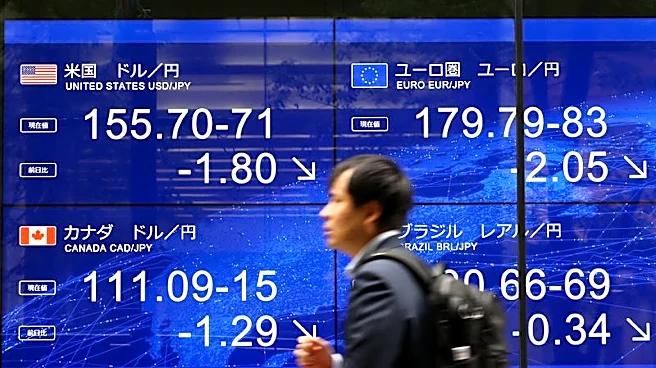
The rising unemployment and subdued wage growth in New Zealand highlight significant economic challenges. The labor market's slack suggests that wage growth is not a domestic inflation driver, potentially influencing the RBNZ's monetary policy decisions. A cautious approach to rate hikes could be necessary to balance inflation control with economic growth. The situation also poses political risks for the government, as economic performance is a critical factor in upcoming elections. The kiwi dollar's dip following the labor data release indicates market sensitivity to these developments, affecting currency and interest rate expectations.
What's Next?
The RBNZ's next meeting on September 2 will be closely watched for any changes in monetary policy. While markets currently price a high probability of a rate hike, the extent of labor market slack may lead to a delay until October. The government may also face pressure to implement policies that stimulate job growth and economic recovery. Stakeholders, including businesses and political leaders, will likely monitor the situation closely, as any policy shifts could have significant implications for the economy and upcoming elections.