





What's Happening?
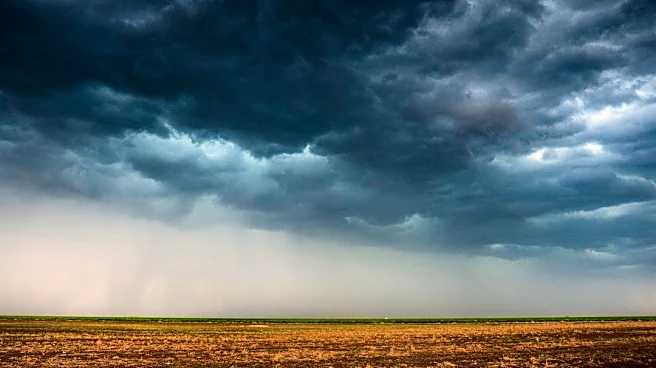
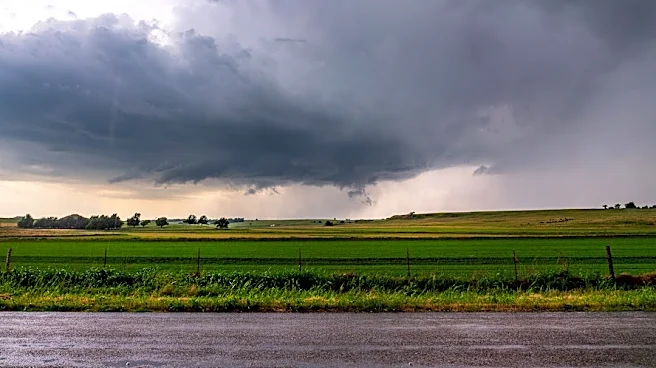
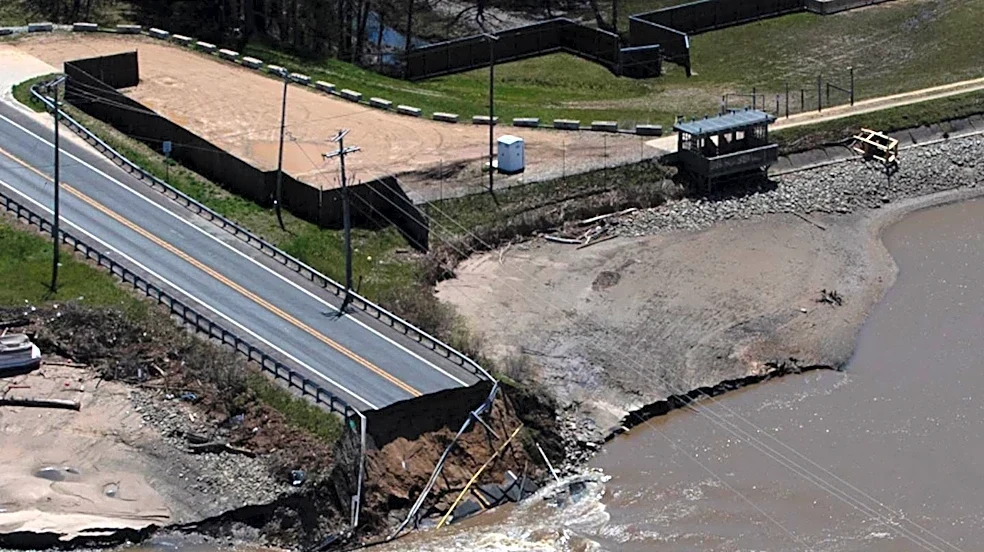
Flash flooding in Hydro, Oklahoma, caused significant damage to local infrastructure and historic Route 66. Heavy rainfall, estimated at 9 to 10 inches, transformed streets into torrents and led to the washing away of sections of the iconic highway, creating
large holes in the pavement. In addition to road damage, a six-inch waterline was broken due to debris in a canyon, and the local agricultural barn, housing multiple show pigs, was inundated. Vice Mayor Tommy Bryant reported wading through waist-deep water to rescue his daughter's show pigs from the flooded barn. While crews have managed to repair one section of Route 66, another area remains too muddy for immediate repair efforts. The immediate focus for Hydro officials is on fixing the broken waterline.
Why It's Important?
The damage to Route 66 in Hydro, Oklahoma, highlights the vulnerability of historic infrastructure to extreme weather events. Route 66 is not just a road; it's a cultural and economic artery for many small towns, attracting tourists and supporting local businesses. Disruptions to this route can impact local tourism and commerce, which are often vital to the economies of these communities. Furthermore, the destruction of essential infrastructure like waterlines poses immediate public health and safety concerns, affecting residents' access to clean water and potentially leading to broader service interruptions. The flooding of agricultural facilities, such as the show pig barn, also underscores the economic impact on local farmers and agricultural activities, which are foundational to many rural economies.
What's Next?
Hydro officials have scheduled an emergency meeting for Friday morning to address the broken waterline and coordinate repair efforts. The immediate priority will be restoring essential services and ensuring public safety. Repair work on the remaining damaged section of Route 66 will likely commence once the ground conditions improve and are no longer too muddy. The community will also need to assess the full extent of the damage to private properties and agricultural facilities to determine long-term recovery needs. This event may prompt discussions about infrastructure resilience and preparedness for future extreme weather events in the region.
Beyond the Headlines
This incident in Hydro, Oklahoma, serves as a stark reminder of the increasing frequency and intensity of flash floods, which many scientists link to broader climate patterns. The damage to a historic landmark like Route 66 also brings into focus the challenge of preserving cultural heritage in the face of environmental changes. Beyond the immediate repairs, there's a deeper conversation to be had about how communities, especially those with aging infrastructure, can adapt and build resilience against such natural disasters. The event could also spark a re-evaluation of urban planning and development near waterways, emphasizing the need for sustainable practices that mitigate flood risks and protect both natural environments and human settlements.