






What's Happening?
The New Jersey Department of Environmental Protection (NJDEP) Forest Service has proposed a 10-year, 10,000-acre Atlantic White Cedar Restoration Project, with a specific plan for 171 acres within Wharton State Forest. This initiative aims to restore
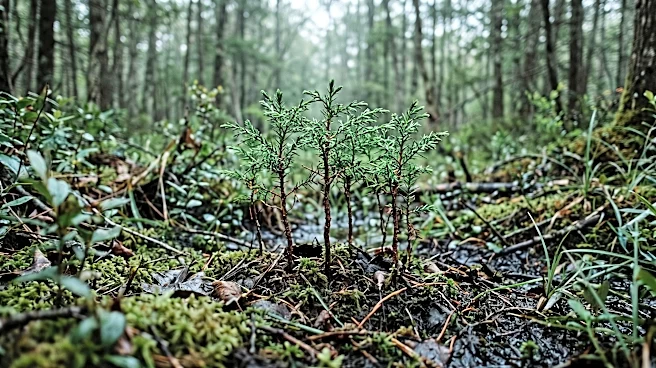
Atlantic white cedar, a species that has seen its acreage in New Jersey decline from approximately 115,000-125,000 acres pre-colonial era to less than 30,000 acres today. The proposed plan includes selective harvesting with cedar retention, site preparation through mowing and disking, and the use of herbicides like imazapyr salts and glyphosate. Additionally, conditional deer fencing will be installed if annual monitoring shows insufficient cedar seedling regeneration. The Pinelands Alliance supports the goal of restoration but has raised concerns regarding the specific mechanics of the plan, including the inclusion of mature cedar forests in the project area, the use of herbicides, potential impacts on threatened and endangered species, and the perceived lack of adequate deer management. The Pinelands Commission approved the plan by an 11-2 vote despite these concerns.
Why It's Important?
The restoration of Atlantic white cedar is crucial for New Jersey's ecosystem, as these dense swamp forests are unique and provide vital habitat. However, the methods proposed by the NJDEP have sparked a debate about the balance between active restoration and ecological preservation. The Pinelands Alliance's concerns highlight potential risks, such as the impact of herbicides on the broader ecosystem and non-target species, and the effectiveness of the plan if deer populations are not adequately controlled. The inclusion of mature cedar forests in a 'restoration' project raises questions about the true intent and scientific basis of the plan, suggesting that some areas may not require intervention. This situation underscores the challenges in conservation efforts, where well-intentioned projects can face criticism for their approach, potentially leading to unintended negative consequences for the very ecosystems they aim to protect. The outcome of this project could set a precedent for future large-scale ecological restoration efforts in the state.
What's Next?
The Pinelands Alliance has launched a petition to gather public support and will be closely monitoring the progression of the work on the ground in Wharton State Forest. They are also advocating for improvements in the review process for future forestry applications, requesting that NJDEP staff present significant applications well in advance of a vote, that the scope of forestry permits be constrained to avoid 'worst-case' scenarios, and that the Pinelands Comprehensive Management Plan (CMP) be amended to require stricter review and dedicated public hearings for habitat conversion proposals. The next Pinelands Commission Meeting on November 13th is an opportunity for the public to express their disappointment regarding the handling of this application. The ongoing monitoring and advocacy by the Pinelands Alliance will be critical in ensuring accountability and potentially influencing modifications to the project's implementation or future restoration strategies.
Beyond the Headlines
This case delves into the complex ethical and practical dilemmas of ecological restoration. While the goal of restoring a declining species like Atlantic white cedar is widely supported, the 'how' of such projects often becomes contentious. The use of herbicides, for instance, presents a trade-off between controlling invasive species or competing vegetation and the potential harm to other flora and fauna. The issue of deer overpopulation, a significant factor in the cedar's decline, points to broader wildlife management challenges that often require more comprehensive and sometimes controversial solutions. The criticism of the review process, including allegations of suppressed questions and insufficient public comment, highlights concerns about transparency and democratic participation in environmental decision-making. This situation reflects a larger societal challenge: how to effectively intervene in natural systems to correct past damages without creating new ones, and how to ensure that restoration efforts are truly ecologically sound and publicly accountable.