




What's Happening?
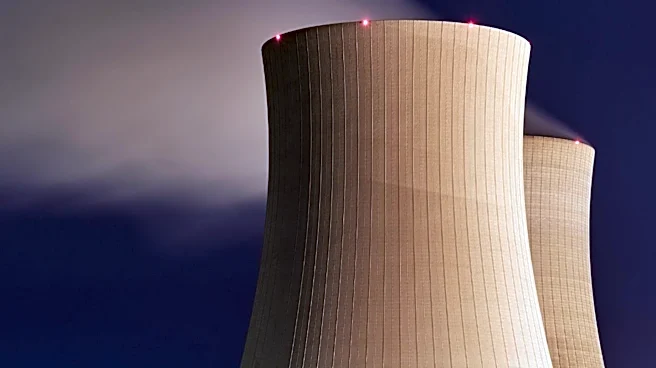
Recent letters to the editor highlight growing concerns over President Trump's authority to unilaterally launch nuclear weapons. Contributors Steven Andreasen and Anthony Lake argue for limiting the president's power, citing the unprecedented risk of
a nuclear strike without provocation. The debate centers on whether a single individual should have such control, especially given the potential for misuse. The letters reflect a broader anxiety about the current administration's approach to nuclear policy, with some suggesting that the Constitution's designation of the president as 'commander in chief' is outdated. The discussion also touches on the historical context of nuclear deterrence and the challenges of modern warfare.
Why It's Important?
The issue of nuclear command and control is critical, as it involves the potential for catastrophic consequences. The debate underscores the need for checks and balances in the use of nuclear weapons, a topic that has gained urgency in light of President Trump's controversial statements and actions. The discussion reflects broader concerns about the concentration of power in the executive branch and the implications for global security. The potential for a nuclear conflict, even if unintended, poses significant risks to international stability and U.S. foreign relations. The letters suggest that a reevaluation of nuclear policy and command structures is necessary to prevent misuse and ensure responsible governance.
What's Next?
The ongoing debate may lead to legislative efforts to impose restrictions on the president's nuclear authority. However, achieving consensus in Congress could be challenging, given the political divisions. The discussion may also prompt broader public discourse on nuclear policy and the role of the executive branch. Advocacy for constitutional amendments or new legislation could gain traction, particularly if public concern continues to grow. The issue may also influence future presidential elections, as candidates' positions on nuclear command and control become a focal point for voters.
Beyond the Headlines
The debate over nuclear authority raises ethical and legal questions about the balance of power in government. It highlights the tension between national security and democratic accountability. The discussion also reflects broader societal concerns about the potential for technological and military advancements to outpace existing legal and ethical frameworks. The letters suggest a need for a more nuanced understanding of nuclear deterrence and the role of international diplomacy in preventing conflict. The issue may also prompt a reevaluation of the U.S.'s role in global nuclear disarmament efforts.