









What's Happening?
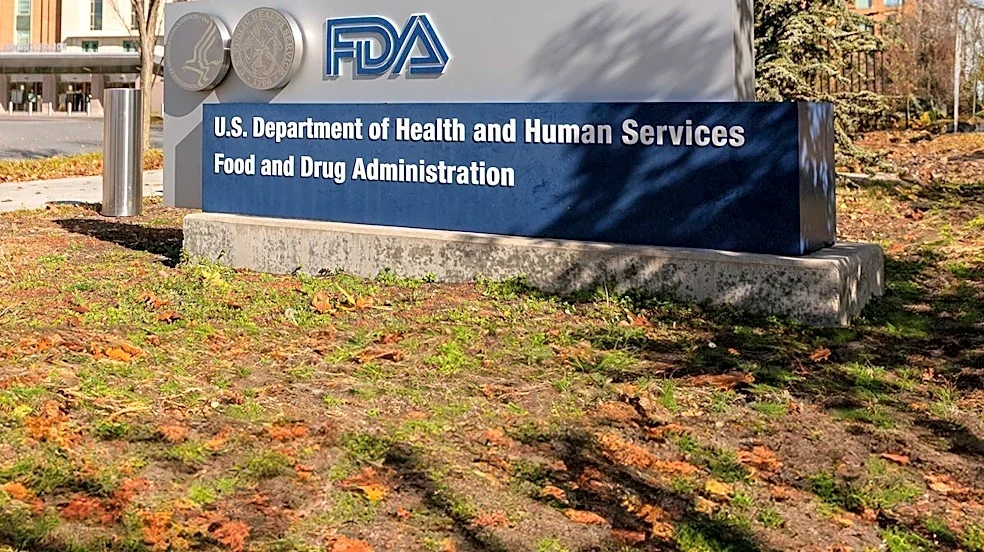
The U.S. Chamber of Commerce has provided feedback to the Food and Drug Administration (FDA) regarding its discussion paper on regulating generative AI-enabled medical devices. The Chamber supports the FDA's objective of ensuring these technologies are
safe and effective but emphasizes the necessity of a carefully calibrated regulatory framework. They argue that an improperly balanced framework could delay patient access to beneficial tools, deter investment, or cede U.S. leadership in medical AI to other nations with more suitable regulatory environments. The Chamber's comments highlight the need for regulatory clarity, flexibility, and a framework that reflects the experiences of healthcare providers implementing these technologies. They also stress that regulatory uncertainty is a significant barrier to investment in generative AI-enabled medical devices, as companies require predictable pathways for development, validation, and commercialization.
Why It's Important?
This feedback is crucial for the future of the U.S. healthcare industry and its technological advancement. Generative AI-enabled medical devices hold significant promise for improving diagnostic accuracy, expanding access to care in underserved communities, and reducing administrative burdens on clinicians. A well-designed regulatory framework can foster innovation and ensure patient safety, while a poorly designed one could stifle progress and investment. The Chamber's concerns about regulatory uncertainty directly impact American companies' willingness to invest in and bring these cutting-edge products to market. The outcome of these discussions will determine whether the U.S. maintains its leadership in medical AI or falls behind, affecting both patient care and the economic competitiveness of the U.S. medical technology sector.
What's Next?
The FDA is expected to continue gathering input from various stakeholders before establishing a formal regulatory framework for generative AI-enabled medical devices. The U.S. Chamber of Commerce recommends that the FDA provide a clear timeline for issuing authoritative guidance and offer interim clarity through Q&A documents and pre-submission meetings. They also suggest a dedicated public workshop on agentic AI in medical devices to better understand the technology and its clinical applications before formalizing regulations. Furthermore, the Chamber encourages the FDA to coordinate with other relevant federal agencies, such as the Centers for Medicare & Medicaid Services (CMS) and the Office of the National Coordinator for Health Information Technology (ONC), to ensure a coherent framework across agencies and avoid conflicting obligations for manufacturers and providers.
Beyond the Headlines
The debate over generative AI regulation in medical devices extends beyond immediate market access and investment. It touches upon fundamental ethical and legal considerations, particularly concerning the autonomy of AI systems and the accountability for their outputs. The Chamber's suggestion for a voluntary National Clinical AI Sandbox, where autonomous clinical AI can be tested under phased clinician oversight, highlights a proactive approach to generating real-world evidence to inform sound regulatory policy. This approach could help navigate the complex ethical landscape of AI in healthcare, ensuring that patient safety remains paramount while allowing for technological advancement. The development of clear, objective criteria for risk assessment and evaluation standards, developed in collaboration with industry and standards bodies, will be critical in building trust and ensuring the responsible deployment of these transformative technologies.