





What's Happening?
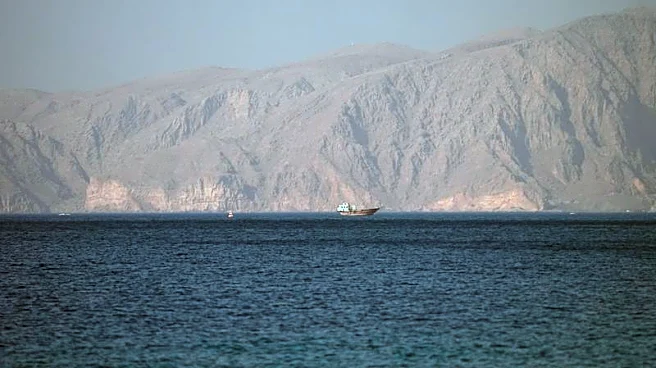
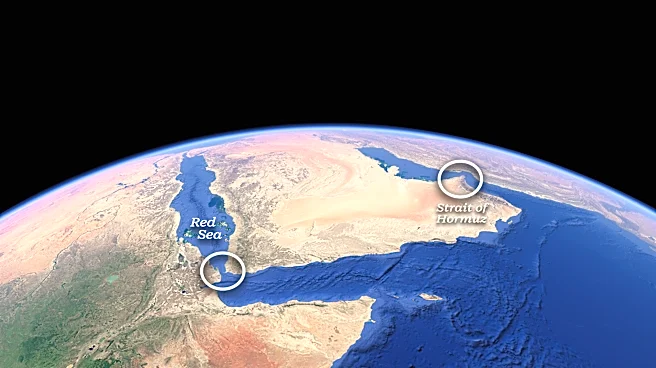
Conflict-driven disruptions at key maritime chokepoints are impacting global trade and energy markets. The U.S. Department of Energy and Treasury are actively monitoring these disruptions, which affect critical infrastructure nodes and maritime straits
such as Hormuz and the Suez Canal. The U.S. has implemented strategies to manage these disruptions, including naval deployments and economic interventions. The 2026 IEA emergency release of 400 million barrels of oil, the largest in history, highlights the scale of the challenge. Despite these efforts, the physical supply gap remains significant, with oil prices exceeding $100 per barrel.
Why It's Important?
The disruptions at maritime chokepoints have far-reaching implications for global trade, energy security, and economic stability. These chokepoints are vital for the transportation of oil and other commodities, and any disruption can lead to significant market volatility and increased prices. The situation underscores the importance of strategic planning and international cooperation to ensure the security of global supply chains. The U.S. and its allies must balance economic tools with military and diplomatic efforts to prevent further escalation and maintain market stability.
What's Next?
The U.S. and its allies are likely to continue diplomatic engagements and strategic planning to address the ongoing disruptions. Future actions may include strengthening naval presence, enhancing intelligence collection, and coordinating with international partners to stabilize commodity markets. The situation may also prompt discussions on the development of alternative trade routes and infrastructure to reduce reliance on vulnerable chokepoints.