





What's Happening?
California residents are experiencing higher electricity bills in 2026, primarily due to increased rates and specific usage patterns. Southern California Edison's (SCE) average residential rate reached approximately 34.4 cents per kilowatt-hour (kWh)
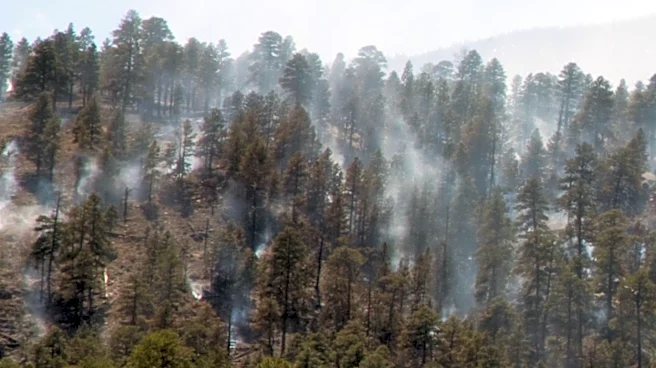
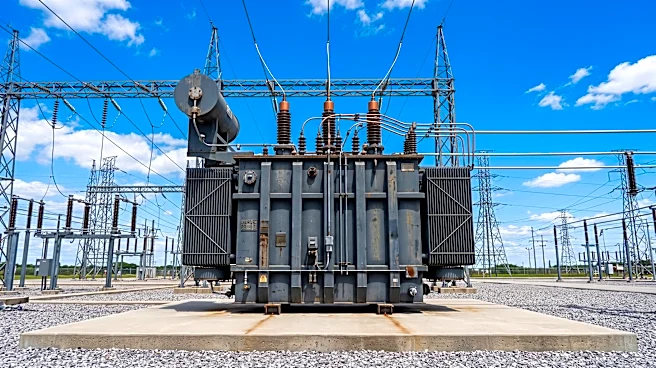
as of June 1, 2026, with further slight increases to 34.5 cents/kWh by October 1, 2026. These rate adjustments are attributed to multi-year, CPUC-authorized increases for wildfire mitigation, grid hardening, and transmission, as well as costs related to the Woolsey Fire. For Los Angeles Department of Water and Power (LADWP) customers, prices are up about 11% compared to a year ago, with Tier 1 costing 27.29 cents/kWh from October 1, 2026. Summer air conditioning usage, particularly during expensive peak hours (4-9 p.m. for SCE, reaching up to 58-74 cents/kWh), and the absence of the Climate Credit after September for SCE customers, are also significant factors contributing to higher bills.
Why It's Important?
The rising electricity costs in California have a direct and substantial impact on household budgets across the state. For many residents, these increases, especially during peak summer months when air conditioning is essential, can lead to financial strain. The allocation of rate increases to wildfire mitigation and grid hardening reflects the state's ongoing challenges with climate change and infrastructure resilience, effectively transferring these costs to consumers. The complexity of time-of-use rates and tiered pricing structures means that consumers must actively manage their energy consumption to avoid the highest charges, which can be a challenge for many. This situation underscores the delicate balance between maintaining a reliable and safe energy grid, addressing environmental concerns, and ensuring affordable utility services for a large and diverse population.
What's Next?
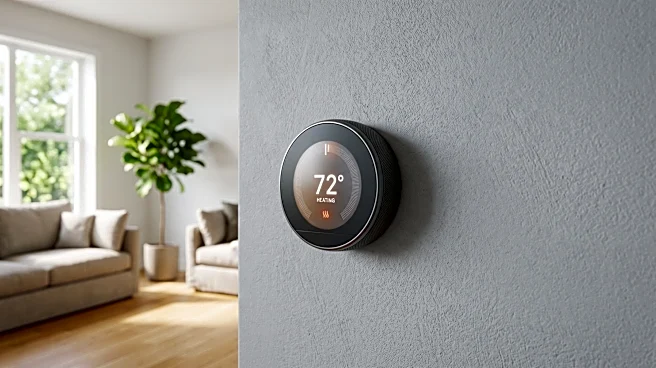
California residents can expect continued efforts by utilities and regulators to manage the state's energy infrastructure, which may involve further rate adjustments to cover costs associated with grid improvements and wildfire prevention. Consumers will likely be encouraged to adopt energy-saving routines and utilize home energy monitoring tools to better understand and control their electricity usage. Utilities may also continue to refine their time-of-use and tiered pricing structures to incentivize off-peak consumption. The state's commitment to clean energy and grid modernization will remain a driving force, potentially leading to investments in renewable energy sources and smart grid technologies, which could have long-term impacts on electricity rates and reliability. Public awareness campaigns and educational resources will be crucial to help residents navigate these complex energy landscapes and make informed decisions about their consumption.
Beyond the Headlines
The rising electricity bills in California highlight a broader trend in states facing significant environmental and infrastructure challenges. The costs associated with climate change adaptation, such as wildfire mitigation, are increasingly being integrated into utility rates, creating a direct financial link between environmental risks and household expenses. This situation also brings to light the equity implications of energy pricing, as higher costs disproportionately affect lower-income households. The reliance on complex pricing structures like time-of-use rates, while intended to encourage efficient energy use, can also create barriers for consumers who lack the resources or understanding to optimize their consumption. This necessitates a holistic approach to energy policy that not only addresses infrastructure needs and environmental goals but also ensures affordability and accessibility for all residents, potentially through targeted assistance programs or simpler, more transparent billing models.