








What's Happening?
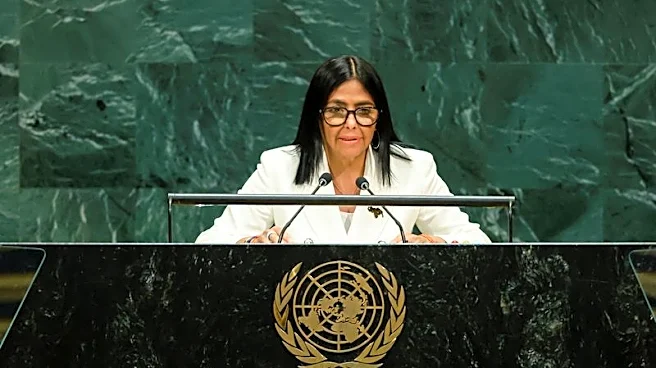
The International Atomic Energy Agency (IAEA) and the Inter-American Development Bank (IDB) have signed a memorandum of understanding (MoU) to foster cooperation on nuclear technologies in Latin America and the Caribbean. This agreement, signed on the sidelines
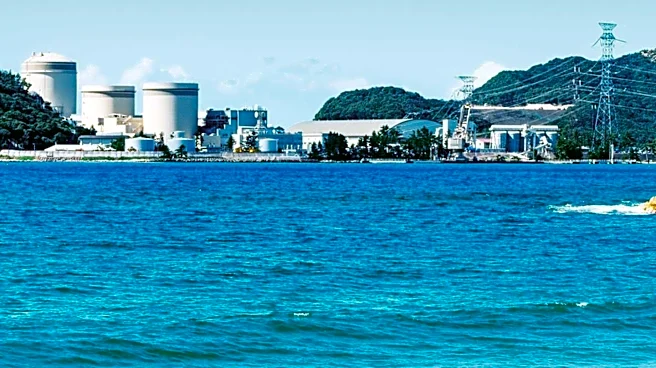
of the UN General Assembly, aims to explore the technical, institutional, and economic aspects of nuclear energy, including large-scale reactors, small modular reactors (SMRs), and other emerging technologies. The MoU provides a framework for dialogue, knowledge sharing, technical assistance, capacity building, energy-system planning, and infrastructure development. This collaboration reflects a shift in attitude among international institutions, which were previously hesitant to fund new nuclear energy projects. IAEA Director General Rafael Mariano Grossi emphasized that this partnership combines the IAEA's technical expertise with the IDB's development experience and regional reach to help countries in the region make informed decisions about their future energy options. Currently, only Brazil, Argentina, and Mexico utilize nuclear power in Latin America and the Caribbean, accounting for 1.8% of the region's electricity generation in 2025. Projections by the IAEA suggest a potential 2.5-fold increase in nuclear energy in the region by 2060.
Why It's Important?
This partnership is significant for the U.S. and the broader international community as it promotes nuclear energy as a viable solution for sustainable development, energy security, and economic growth in a key geopolitical region. Increased nuclear energy adoption in Latin America and the Caribbean could reduce reliance on fossil fuels, contributing to global climate goals and potentially stabilizing energy markets. For U.S. businesses in the nuclear sector, this could open new opportunities for technology export, investment, and collaboration on reactor development and infrastructure projects. The emphasis on small modular reactors (SMRs) is particularly relevant, as U.S. companies are at the forefront of SMR technology, offering scalable and flexible energy solutions. Furthermore, strengthening energy independence in neighboring regions can have positive ripple effects on regional stability and economic partnerships, indirectly benefiting U.S. strategic interests. The agreement also broadens cooperation beyond energy to include health services, such as cancer care, and sustainable agricultural practices, indicating a comprehensive approach to regional development that aligns with broader U.S. foreign policy objectives of promoting health and food security.
What's Next?
Following the signing of the MoU, the IAEA and IDB are expected to begin implementing the framework for cooperation. This will likely involve identifying specific projects and initiatives related to nuclear energy and development in Latin America and the Caribbean. Countries in the region, particularly those not currently utilizing nuclear power, may start to assess their energy options more seriously, potentially leading to feasibility studies and national energy planning adjustments. The collaboration will focus on providing technical assistance and capacity building to help these nations make informed decisions and develop the necessary infrastructure and regulatory frameworks for nuclear energy. We can anticipate increased dialogue and knowledge sharing events, potentially involving U.S. experts and companies, to facilitate the adoption of nuclear technologies. The IAEA's projections of a significant increase in nuclear energy in the region by 2060 suggest a long-term commitment to this initiative, with initial steps focusing on foundational support and education to prepare countries for future nuclear power deployment.
Beyond the Headlines
The shift in attitude among international financial institutions, including the IDB, towards funding nuclear energy projects represents a deeper recognition of nuclear power's role in achieving sustainable development goals and combating climate change. This move away from previous reluctance highlights a growing global consensus on the necessity of diverse energy portfolios. For the U.S., this could mean a more competitive global market for nuclear technology, but also expanded opportunities for collaboration and leadership in nuclear safety and non-proliferation. The inclusion of SMRs in the scope of cooperation is particularly forward-looking, as these technologies offer potential advantages in terms of cost, deployment flexibility, and safety, making nuclear power more accessible to a wider range of countries. This partnership also underscores the interconnectedness of energy, economic development, and public health, as the MoU extends to areas like cancer care and agricultural productivity, demonstrating a holistic approach to regional challenges. The long-term implications could include a significant transformation of the energy landscape in Latin America and the Caribbean, fostering greater energy independence and potentially reducing geopolitical vulnerabilities related to energy supply.