









What's Happening?
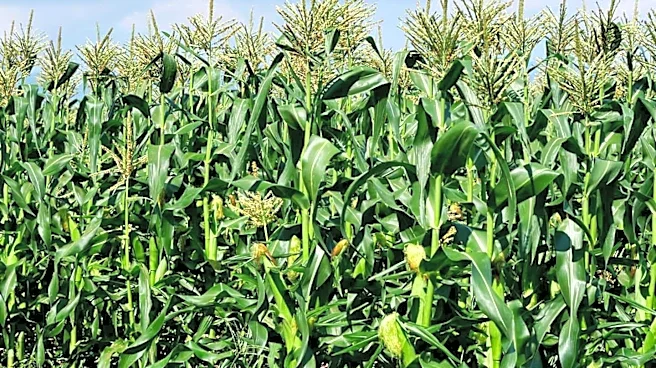
Corn growers continue to grapple with tar spot, a significant disease influencing hybrid selection decisions for the upcoming planting season. While breeding programs are investing substantial resources into developing tar spot-tolerant hybrids, truly
resistant varieties are not yet available. This means that hybrid tolerance remains a crucial management tool. Farmers must carefully evaluate how different hybrids respond as disease pressure intensifies. Even susceptible hybrids might offer excellent yield potential and fit well agronomically, but their use necessitates a robust management plan. This plan includes thorough field history knowledge, regular scouting, and preparedness to apply fungicides when environmental conditions favor disease development. The effectiveness of hybrid selection in reducing risk is acknowledged, but it does not eliminate the threat entirely. Similar considerations apply to other corn diseases like Gibberella ear rot (GER) and deoxynivalenol (DON), where weather conditions often influence infection as much as genetics, even in tolerant hybrids.
Why It's Important?
The persistent challenge of tar spot disease has significant implications for the U.S. agricultural sector, particularly for corn production. Farmers' decisions on hybrid selection directly impact yield potential and profitability, making effective disease management critical for economic stability. The lack of truly resistant hybrids means growers must adopt integrated pest management strategies, which can increase input costs due to fungicide applications and require more intensive scouting and planning. This situation also highlights the ongoing need for agricultural research and development to produce more resilient crop varieties. The economic impact extends beyond individual farms, potentially affecting commodity prices and the broader agricultural supply chain. Furthermore, the need for careful management of diseases like GER and DON, which can lead to mycotoxin contamination, underscores the importance of food safety and quality within the U.S. food system.
What's Next?
Looking ahead, corn growers will continue to prioritize hybrid selection based on disease tolerance, field history, and local disease pressure. Seed dealers and agricultural extension services will play a vital role in advising farmers on the best hybrid choices and management practices. Research efforts will likely intensify to develop corn hybrids with improved resistance to tar spot and other prevalent diseases, potentially introducing new genetic traits to the market. Farmers will need to remain vigilant with scouting and be prepared for timely fungicide applications, especially in regions with a history of high disease incidence or during weather conditions conducive to disease development. The industry will also focus on integrated management approaches, combining hybrid selection with crop rotation, residue management, and insect control to mitigate disease risks and preserve the efficacy of existing management tools.
Beyond the Headlines
The ongoing struggle with tar spot and other corn diseases points to broader themes within modern agriculture, including the dynamic interplay between genetics, environment, and farming practices. It underscores the continuous evolutionary battle between crops and pathogens, necessitating constant innovation in plant breeding and disease management. This situation also highlights the economic pressures on farmers, who must balance yield potential with disease risk and input costs. The reliance on fungicides, while necessary, raises questions about long-term environmental impacts and the potential for pathogen resistance to chemical treatments. Furthermore, the development of new technologies, such as advanced genetic traits for disease resistance, will be crucial for ensuring food security and sustainability in the face of evolving agricultural challenges and climate variability. The need for a holistic, long-term approach to disease management, integrating various tools and strategies, remains paramount.