








What's Happening?
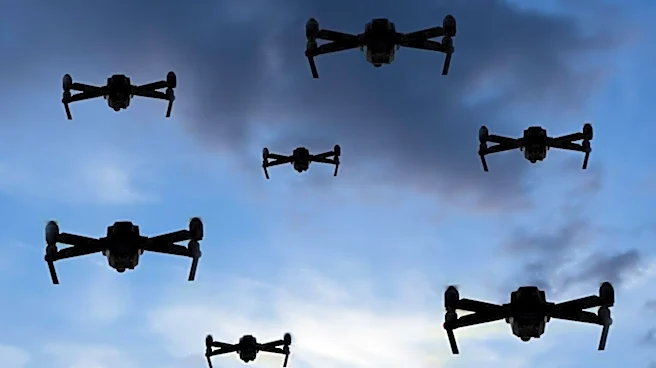
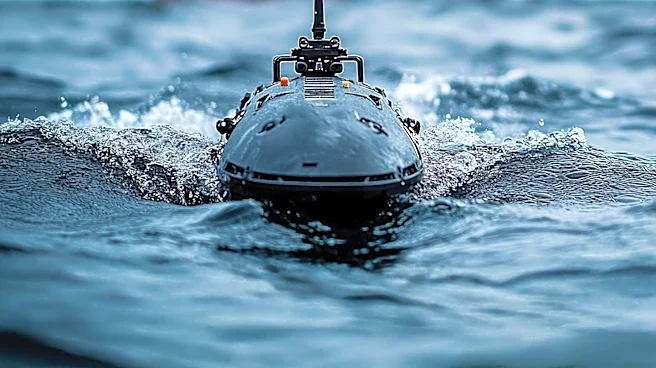
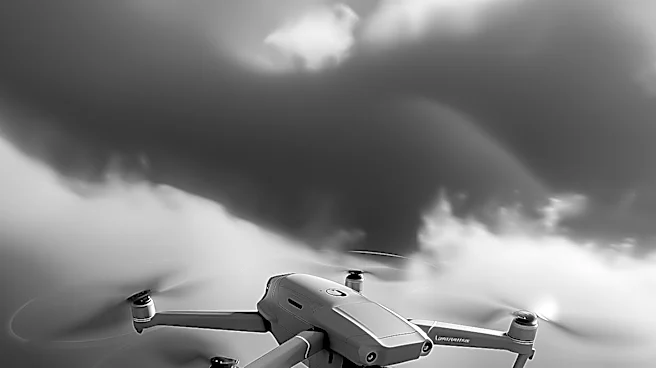
New Zealand has launched a program to acquire long-range unmanned aerial vehicles (UAVs) for surveillance missions over land and sea. The initiative, titled Persistent Surveillance (Air) Phase 1, seeks to enhance maritime domain awareness and supplement
existing aircraft like the P-8A Poseidon. The UAVs will be commercially owned and operated, with capabilities to conduct wide-area surveillance and coastal intelligence missions. This program aims to strengthen New Zealand's intelligence, surveillance, and reconnaissance (ISR) capabilities.
Why It's Important?
The acquisition of long-range UAVs is a strategic move for New Zealand, enhancing its ability to monitor and protect its maritime and coastal regions. These UAVs will provide critical intelligence and surveillance data, supporting national security and defense operations. The program reflects a growing trend among nations to leverage UAV technology for enhanced situational awareness and operational efficiency. By investing in advanced ISR capabilities, New Zealand can better address security challenges and protect its interests in the region.
Beyond the Headlines
The use of UAVs for surveillance raises important considerations regarding privacy, data security, and regulatory compliance. As New Zealand implements this program, it will need to address these issues to ensure responsible and ethical use of UAV technology. Additionally, the program highlights the increasing reliance on unmanned systems in defense and security operations, which could lead to further advancements and innovations in UAV technology.