










What's Happening?
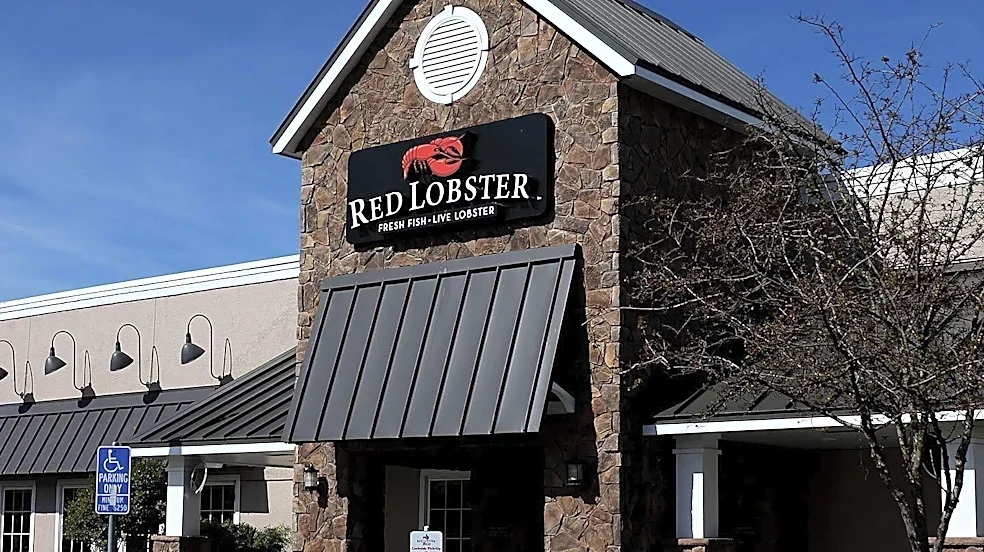
The Supplemental Nutrition Assistance Program (SNAP), commonly known as food stamps, provides benefits for purchasing nutritious food, but its usage at restaurants like Red Lobster is restricted. The United States Department of Agriculture (USDA) prohibits
the use of SNAP benefits for hot, prepared meals intended for immediate consumption. As Red Lobster primarily serves sit-down, prepared seafood dishes, it typically falls under this exclusion, meaning standard EBT food benefits cannot be used at most locations across the U.S. However, the situation is more nuanced due to two main exceptions: EBT Cash (Temporary Assistance for Needy Families - TANF) and the Restaurant Meals Program (RMP). EBT Cash functions like a debit card, allowing beneficiaries to use funds for general living expenses, including dining out, if the restaurant accepts Quest or EBT cards for cash transactions. The RMP is a state-option program that permits certain vulnerable populations, such as the elderly, disabled, and homeless, to use SNAP food benefits at authorized restaurants, as they may lack the ability or facilities to cook. For Red Lobster to accept SNAP under RMP, the state must participate in the program, and the specific Red Lobster location must be authorized as an RMP provider. States like California, Arizona, Illinois, Maryland, Michigan, Rhode Island, and Virginia have active RMP programs, though participation varies by county and is generally more common in fast-food establishments rather than casual dining chains like Red Lobster.
Why It's Important?
This distinction in EBT usage significantly impacts millions of Americans relying on SNAP benefits, particularly those in vulnerable populations. For the majority of SNAP beneficiaries, the inability to use food benefits at full-service restaurants like Red Lobster means they must allocate their funds strictly for groceries to be prepared at home. This policy aims to maximize the nutritional value and cost-effectiveness of benefits, as SNAP calculations are based on the 'Thrifty Food Plan,' assuming home cooking. However, for individuals eligible for the RMP, the program offers a crucial lifeline, ensuring access to prepared meals when cooking at home is not feasible. This highlights a critical gap in food access for those who are elderly, disabled, or homeless, underscoring the importance of state-level RMP adoption and restaurant participation. The option to use EBT Cash at Red Lobster, while technically possible, is often not a financially prudent choice, as cash benefits are typically smaller and intended for broader living expenses. This situation also creates potential confusion and social stigma for beneficiaries attempting to use their cards at restaurants, as staff may not be fully informed about the different types of EBT transactions. The policy influences consumer behavior, encouraging home meal preparation over dining out for those on SNAP, and shapes the operational decisions of restaurants regarding EBT acceptance.
What's Next?
Beneficiaries planning to use EBT at any restaurant, including Red Lobster, should first verify their eligibility and the specific type of EBT funds they possess (food benefits vs. cash). They should consult their state’s official SNAP/EBT website to check for authorized RMP vendors in their county. If using EBT Cash, it is advisable to call the specific Red Lobster location beforehand to confirm their payment terminals are configured to accept EBT/Quest cards for cash payments. Given that Red Lobster is generally not an RMP participant, and the RMP is geared towards more affordable, accessible meals, it is unlikely that many Red Lobster locations will begin accepting SNAP food benefits in the near future. States may continue to expand or modify their RMP programs, potentially increasing the number of participating restaurants, but this would likely focus on fast-casual options. Beneficiaries should always have a backup payment method, as technical glitches or system downtimes can occur. The most reliable and cost-effective alternative for enjoying seafood with SNAP benefits remains purchasing raw ingredients like lobster tails, shrimp, and fresh fish from grocery stores or fish markets for home preparation.
Beyond the Headlines
The complexities surrounding EBT usage at restaurants like Red Lobster reveal deeper societal implications regarding food access, financial literacy, and the dignity of individuals receiving public assistance. The federal policy, while designed to ensure responsible use of taxpayer funds for nutrition, inadvertently creates barriers for those who cannot cook at home, highlighting the need for more comprehensive solutions for vulnerable populations. The distinction between SNAP food benefits and EBT Cash underscores the varying needs of beneficiaries and the challenges in designing a one-size-fits-all assistance program. The limited participation of casual dining chains in the RMP also points to a broader issue of how businesses perceive and engage with social welfare programs. There's an ethical dimension to ensuring that individuals, regardless of their economic status, have access to a diverse range of food options, including the occasional restaurant meal, which can contribute to social well-being and a sense of normalcy. Furthermore, the potential for social stigma at the point of sale emphasizes the need for better training for restaurant staff and clearer communication from government agencies regarding EBT policies to foster a more inclusive environment for all customers.