






What's Happening?
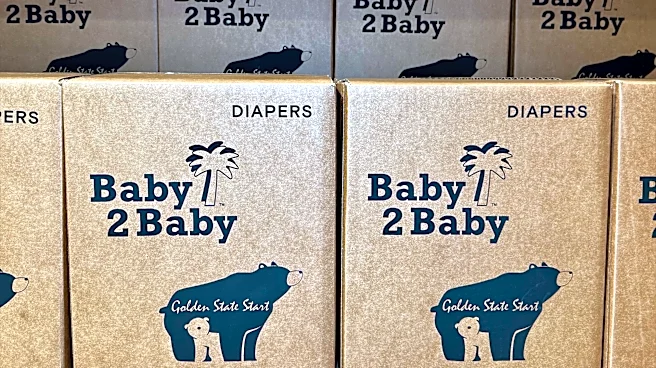
Governor Gavin Newsom of California has announced a new initiative to provide free diapers to newborns in the state. Partnering with the nonprofit organization Baby2Baby, the program, named Golden State Start, will distribute 400 free diapers to every
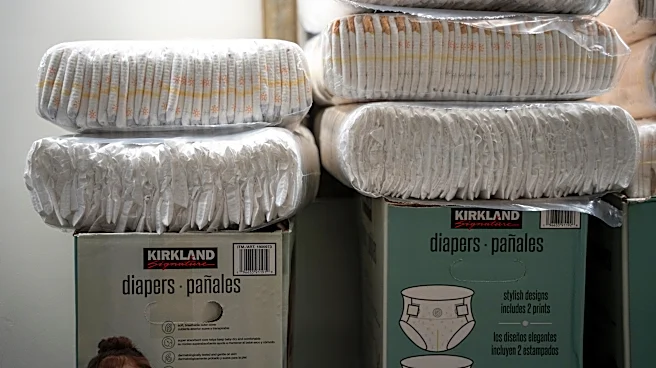
newborn at participating hospitals. This initiative aims to alleviate the financial burden on families, particularly as the cost of diapers has surged by 45% since the pandemic. The program will initially distribute 40 million diapers in its first year, with plans to expand to 160 million. Priority will be given to hospitals serving a large number of parents enrolled in Medi-Cal, California's Medicaid program. The initiative is described as the first of its kind in the nation, setting a precedent for other states.
Why It's Important?
The introduction of the Golden State Start program is significant as it addresses a critical need for low-income families struggling with the rising costs of basic necessities. Diaper insecurity affects approximately 60% of low-income families nationwide, often forcing them to make difficult choices between essential needs. By providing free diapers, the program aims to reduce financial stress and improve the health and well-being of infants, who are at risk of rashes and infections from infrequent diaper changes. This initiative not only supports families financially but also promotes public health and sets a model for other states to follow.
What's Next?
The program is set to launch this summer, with participating hospitals distributing diapers at the time of discharge. As the program progresses, there is potential for expansion to more hospitals and birthing centers across California. The success of this initiative could inspire similar programs in other states, potentially leading to a nationwide effort to combat diaper insecurity. Stakeholders, including healthcare providers and policymakers, will likely monitor the program's impact on family well-being and public health outcomes.
Beyond the Headlines
This initiative highlights broader issues of economic inequality and the challenges faced by low-income families in accessing basic necessities. It underscores the importance of public-private partnerships in addressing social issues and the role of state governments in pioneering innovative solutions. The program also raises awareness about diaper insecurity, a less visible aspect of poverty, and could lead to increased advocacy and support for similar initiatives nationwide.