








What's Happening?
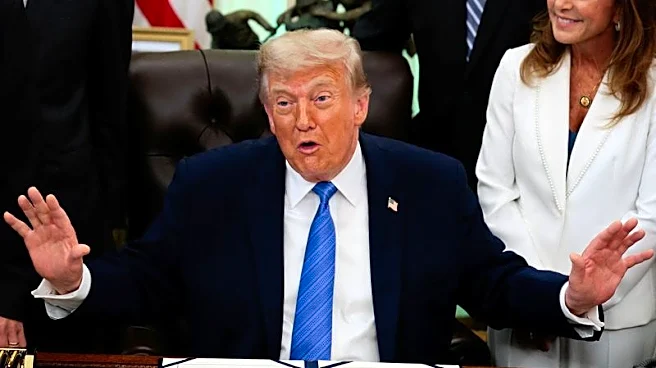
Brooke Rollins, Secretary of the U.S. Department of Agriculture, defended tax policies supporting farmers and called for increased domestic fertilizer production. At a Senate Agriculture Committee hearing, Rollins highlighted the impact of the Working
Families Tax Cuts Act, which doubled the federal estate tax exemption, benefiting over two million family farms. She emphasized the need for domestic fertilizer manufacturing to combat rising prices, exacerbated by the conflict in Iran and global energy crises. Rollins noted significant increases in agricultural production and savings from deregulatory efforts, while facing criticism from some senators regarding deregulation's impact on conservation.
Why It's Important?
The push for domestic fertilizer production is crucial as rising prices impact U.S. farmers' profitability and competitiveness. By advocating for domestic manufacturing, Rollins aims to reduce dependency on foreign sources and stabilize costs. This move could benefit the agricultural sector by ensuring a steady supply of essential inputs, potentially leading to increased production and economic stability for farmers. The debate over tax policies and deregulation highlights the ongoing tension between supporting agricultural growth and maintaining environmental standards, affecting policy decisions and industry practices.
What's Next?
The USDA's efforts to boost domestic fertilizer production will require congressional support and potential funding mechanisms. Rollins' call for reshoring phosphate and ammonia manufacturing may lead to legislative proposals and industry partnerships. The outcome of these initiatives will influence the agricultural sector's resilience to global market fluctuations. Stakeholders, including farmers, policymakers, and environmental groups, will continue to engage in discussions on balancing economic growth with sustainable practices.