




What's Happening?
Mexico's education minister, Mario Delgado, announced that the country will not end the school year early as previously planned. The initial decision to conclude the school year six weeks ahead of schedule was made in response to the upcoming World Cup
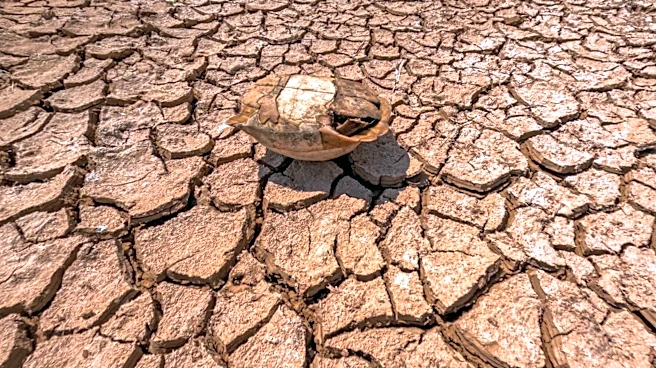
and an extraordinary heatwave. The plan faced significant backlash from critics, including the National Union of Parents, who argued that only three cities—Mexico City, Guadalajara, and Monterrey—are hosting the World Cup matches, and that Mexico has never shortened the school year due to weather conditions, even during the record-breaking summer of 2024. Following public outcry, Mexican President Claudia Sheinbaum clarified that the proposal to shorten the school year was not final, leading to the reversal of the decision.
Why It's Important?
The reversal of the decision to end the school year early is significant as it highlights the government's responsiveness to public opinion and the importance of maintaining educational standards. The initial proposal raised concerns about the impact on students' education, as cutting six weeks from the school calendar could have disrupted learning and academic progress. Additionally, the decision underscores the challenges of balancing major international events like the World Cup with domestic priorities such as education. The public's reaction also reflects broader societal values, emphasizing the importance of education over temporary disruptions caused by events or weather conditions.
What's Next?
With the decision to maintain the original school calendar, Mexican authorities will need to manage the logistical challenges posed by the World Cup, including traffic and security, without compromising educational commitments. The government may implement additional measures to ensure that the event does not adversely affect daily life in the host cities. Stakeholders, including parents and educators, will likely continue to monitor the situation to ensure that students' education remains a priority. The decision may also prompt discussions on how to better prepare for future events that could impact public services and infrastructure.