





What's Happening?
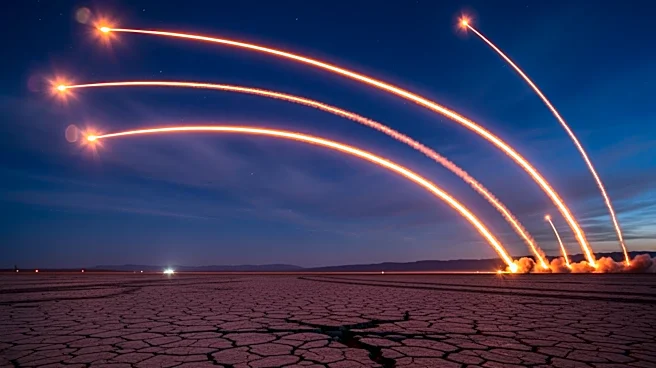
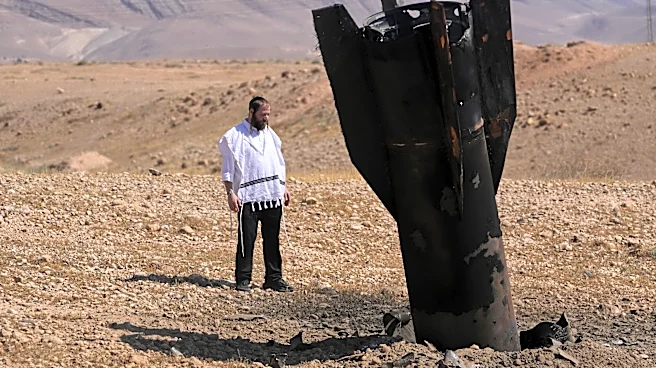
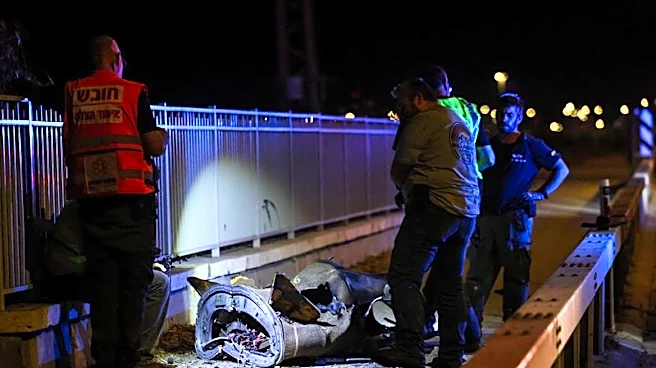
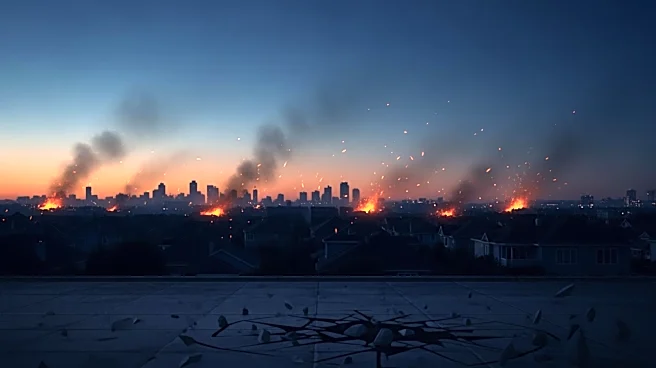
The White House is on high alert following a series of military strikes exchanged between Israel and Iran, which threaten to derail ongoing peace talks. This marks the first significant military engagement between the two nations since they agreed to a ceasefire
in April. The escalation has raised concerns about the stability of the region and the potential for further conflict. NBC News correspondents, including Gabe Gutierrez and Richard Engel, along with military analyst retired Col. Steve Warren, have reported on the situation, highlighting the delicate nature of the peace process and the challenges faced in maintaining the ceasefire.
Why It's Important?
The renewed hostilities between Israel and Iran could have significant implications for regional stability and international relations. The peace talks, which were seen as a critical step towards reducing tensions in the Middle East, are now at risk of collapsing. This could lead to increased military engagements, affecting not only the involved nations but also their allies, including the United States. The situation underscores the fragile nature of peace efforts in the region and the potential for rapid escalation into broader conflicts. The U.S. has vested interests in maintaining stability in the Middle East, both for geopolitical reasons and to ensure the security of its allies.
What's Next?
The immediate focus will be on diplomatic efforts to de-escalate the situation and bring both parties back to the negotiating table. The international community, including the United States, may increase diplomatic pressure on Israel and Iran to adhere to the ceasefire and continue peace talks. Monitoring the situation closely, the White House and other global powers will likely engage in back-channel communications to prevent further military actions. The outcome of these efforts will be crucial in determining the future of peace in the region.