





What's Happening?
The U.S. Energy Information Administration (EIA) has reported a significant increase in electricity generation from renewable sources, which now account for over 30% of the nation's total electricity output. This growth, observed in the first five months
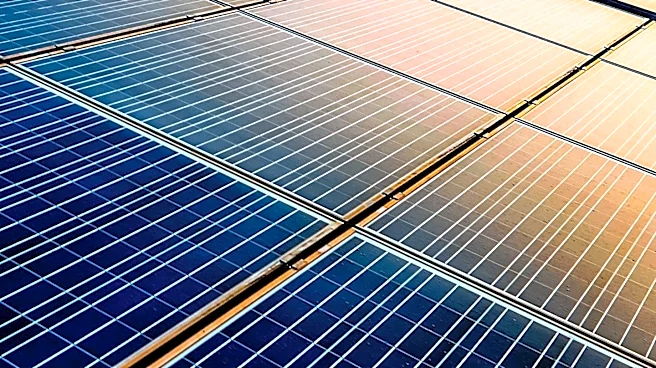
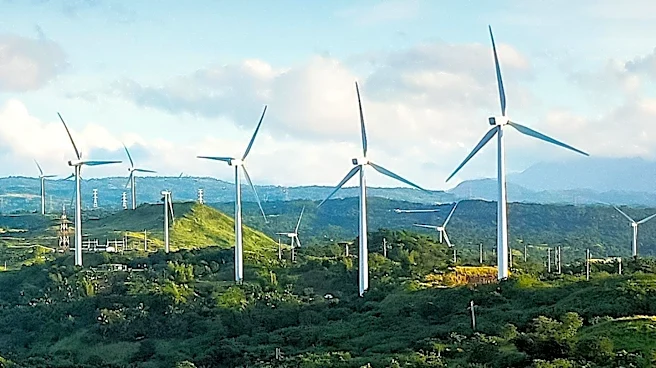
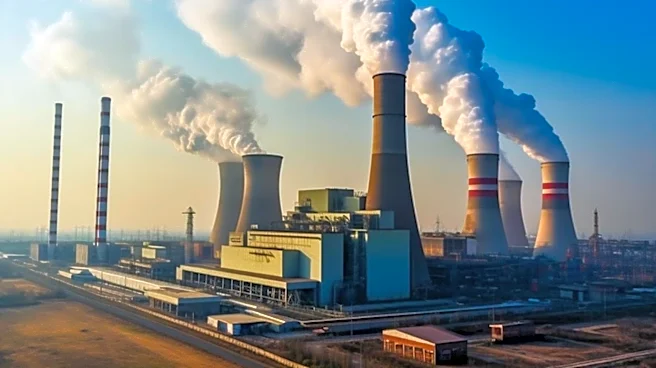
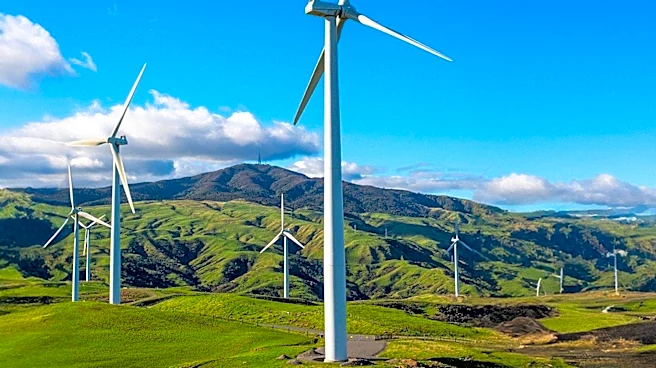
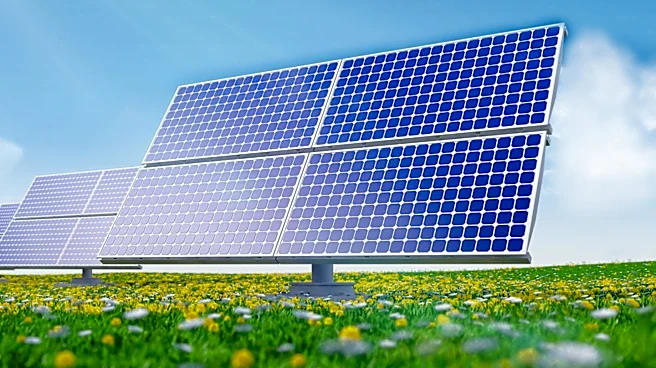
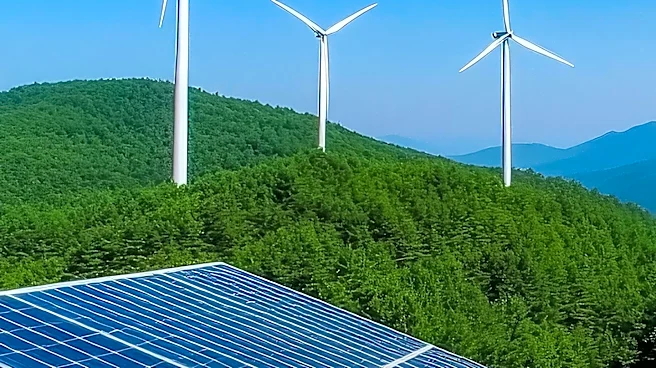
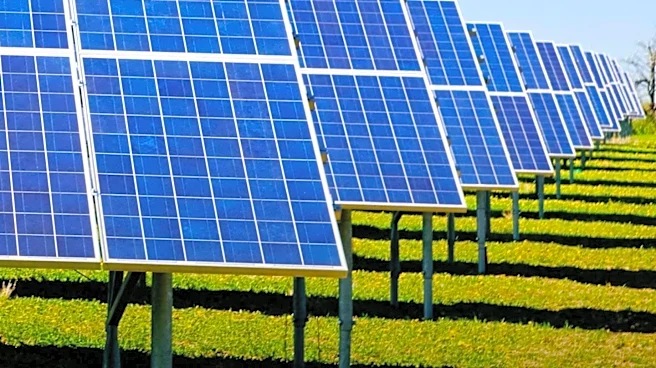
of 2026, is primarily driven by substantial expansions in solar and wind energy capacities. Utility-scale solar capacity increased by nearly 28,000 megawatts (MW), while small-scale solar and wind grew by over 6,600 MW and 10,250 MW, respectively. Additionally, utility-scale battery storage capacity saw a notable rise of over 16,500 MW. In contrast, coal and nuclear capacities have declined, with coal dropping by over 2,200 MW and nuclear by 27.6 MW. The EIA projects that by May 2027, renewable energy's share of U.S. utility-scale generating capacity will grow to 37%, with solar power alone expected to constitute more than one-fifth of the total U.S. capacity.
Why It's Important?
The increase in renewable energy capacity is a critical development for the U.S. energy sector, reflecting a shift towards more sustainable energy sources. This transition is essential for reducing carbon emissions and combating climate change. The growth in renewables also indicates a decreasing reliance on fossil fuels, which have historically dominated the U.S. energy landscape. This shift could lead to significant environmental benefits, including reduced air pollution and lower greenhouse gas emissions. Economically, the expansion of renewable energy infrastructure can create jobs and stimulate investment in green technologies. However, the transition also poses challenges, such as the need for grid modernization and the integration of intermittent energy sources like solar and wind.
What's Next?
Looking ahead, the U.S. is expected to continue its trajectory of increasing renewable energy capacity. The EIA forecasts that utility-scale renewable energy sources, along with battery storage, will add approximately 76,907 MW of new clean energy capacity by late spring 2027. This growth will likely surpass the capacity of natural gas, marking a significant milestone in the U.S. energy transition. Policymakers and industry leaders will need to address the challenges of integrating these new energy sources into the existing grid infrastructure. Additionally, continued investment in energy storage solutions will be crucial to managing the variability of renewable energy production and ensuring a stable energy supply.
Beyond the Headlines
The expansion of renewable energy in the U.S. has broader implications beyond immediate environmental and economic impacts. It represents a cultural shift towards sustainability and a recognition of the urgent need to address climate change. This transition may influence global energy markets, as the U.S. sets an example for other nations to follow. Furthermore, the growth of renewables could lead to geopolitical shifts, as countries reduce their dependence on fossil fuel imports and invest in domestic energy production. The move towards renewables also raises ethical considerations, such as ensuring equitable access to clean energy and addressing the potential displacement of workers in traditional energy sectors.