


What's Happening?
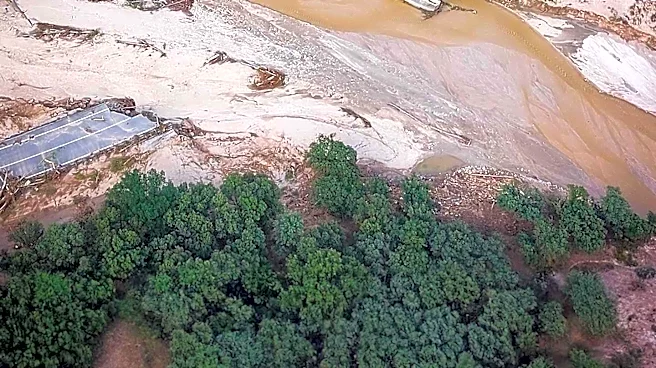
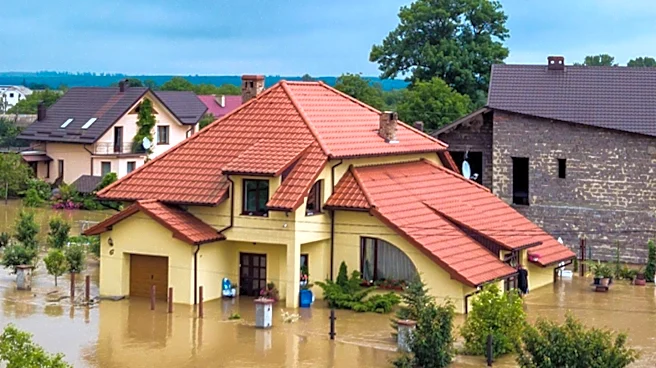
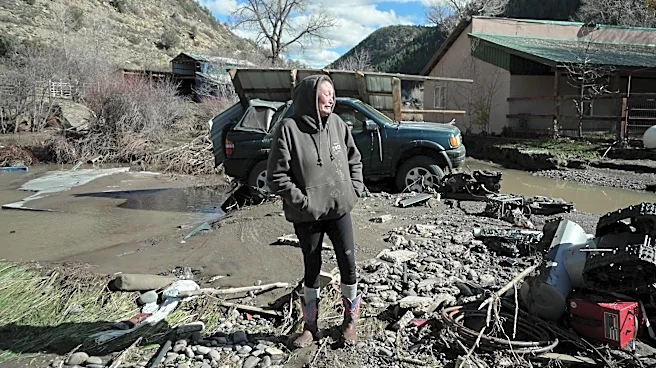
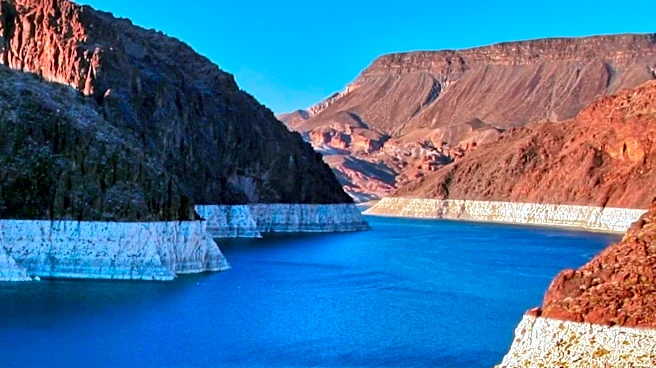
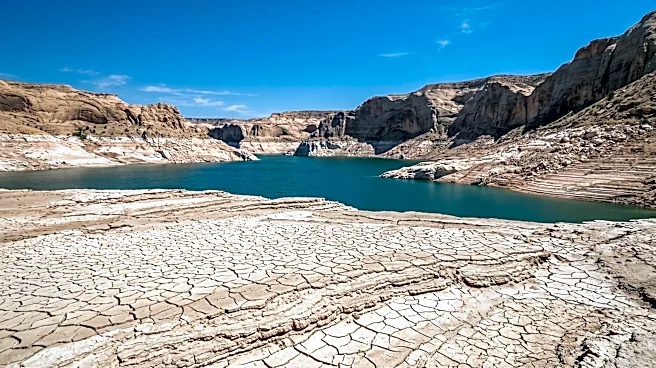
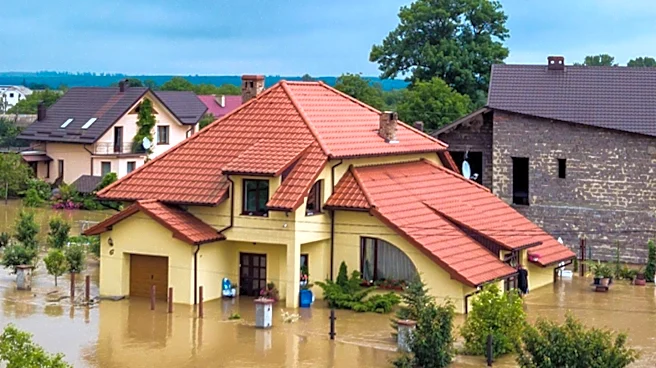
Recent intense flooding across the U.S. Southwest has provided a temporary boost to depleted reservoirs, which had reached record lows due to a prolonged megadrought. Storms in late October and early November caused significant water runoff into creeks
and rivers, ultimately feeding into major water bodies like Lake Powell. According to Martin Hoerling, a climate scientist and hydrologist at the University of Colorado, Boulder, this influx is an 'unexpected boost from Mother Nature.' Lake Powell, the nation's second-largest reservoir, has risen over 20 feet from its mid-September low, a gain that surpasses this year's snowmelt contributions. This improvement is partly attributed to the El Niño climate phenomenon, which has intensified heavy rains and floods and is expected to continue impacting water supplies in the West for several more months. Despite these gains, Lake Powell remains just over a quarter full, and the region continues to experience drought conditions.
Why It's Important?
The temporary replenishment of reservoirs in the Southwest is crucial for regional and local water supplies, offering a brief reprieve from the severe impacts of the ongoing megadrought. Cities like Pagosa Springs, Colorado, have already lifted water restrictions due to the increased supply, and Flagstaff, Arizona, has received a significant buffer for its surface water supply. However, the long-term water security of the region remains precarious. Decisions regarding water allocation in the Colorado River basin, managed by the U.S. Bureau of Reclamation, are unlikely to change based on these recent floods, as officials await the peak snowpack levels typically seen around April. This highlights the persistent challenge of water management in an arid region facing climate change, where even significant rainfall events offer only short-term relief and do not fundamentally alter the long-term water scarcity outlook. The situation underscores the need for continued efforts in water conservation and infrastructure development to build resilience against future droughts.
What's Next?
The impacts of the El Niño climate phenomenon are expected to continue for several more months, potentially leading to further increases in water supplies across the Western U.S. However, the U.S. Bureau of Reclamation will likely maintain its current water release plans for Lake Powell and other reservoirs until the snowpack peaks, typically in April, to assess the full water year outlook. States in the Lower Colorado River Basin, including California, Nevada, and Arizona, are still mandated to collectively reduce water use by 1.25 million acre-feet annually over the next two years, with potential for deeper cuts. Nevada and Arizona are currently challenging this plan in court. Some Arizona cities are also exploring long-term solutions, such as funding preliminary work to expand dams on the Verde River to capture storm runoff, indicating a proactive approach to future water resilience despite the recent rainfall.
Beyond the Headlines
The recent floods, while providing immediate relief, underscore a deeper vulnerability in the U.S. Southwest's water infrastructure and management strategies. The reliance on unpredictable weather patterns, even intensified by phenomena like El Niño, highlights the fragility of current water supply systems in the face of climate change. The fact that a 20-foot rise in Lake Powell still leaves it only a quarter full illustrates the immense scale of the water deficit accumulated over years of drought. This situation could accelerate discussions and investments in alternative water sources, advanced water recycling, and more efficient agricultural practices. Furthermore, the legal challenges to water reduction plans signal ongoing interstate tensions over scarce resources, potentially leading to more complex negotiations and policy shifts in how water is allocated and conserved across the Western states. The event serves as a stark reminder that short-term gains do not negate the long-term imperative for sustainable water solutions.