







What's Happening?
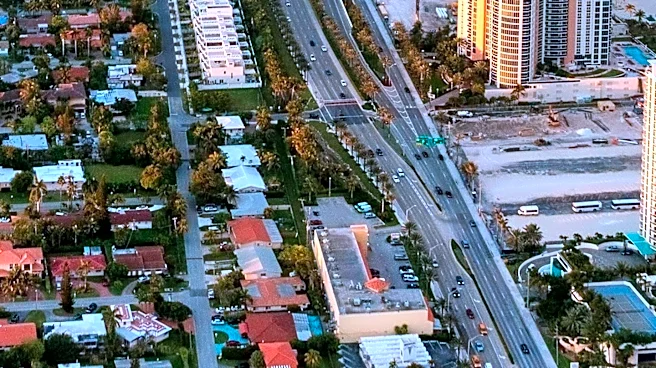
For the first time, Miami's cost of living has exceeded that of New York City, according to the Bureau of Economic Analysis. This shift is primarily due to a significant increase in housing prices, which have risen by 79% since the pandemic. The Miami-Fort
Lauderdale-Palm Beach area now has housing costs approximately 5% higher than New York and its suburbs. Additionally, property taxes in Miami have increased by 62% since 2019, and Florida's home insurance premiums are the highest in the nation, averaging nearly $8,300 annually. These factors have contributed to Miami becoming the second most expensive metropolitan area in the U.S., only behind the San Francisco Bay area.
Why It's Important?
The rising cost of living in Miami has significant implications for residents and potential newcomers. The increase in housing and insurance costs may deter individuals and businesses considering relocation to Miami, traditionally seen as a more affordable alternative to New York. This shift could impact Miami's appeal as a retirement destination and affect its economic growth. The high cost of living may also strain current residents, particularly those on fixed incomes or in lower-wage jobs, as they face increased financial pressure.
What's Next?
As Miami's cost of living continues to rise, it is likely that policymakers and local government will need to address the affordability crisis. Potential measures could include initiatives to increase affordable housing availability and efforts to stabilize insurance markets. Additionally, the trend may prompt a reevaluation of Miami's economic strategies to ensure sustainable growth and maintain its attractiveness as a place to live and work.