
What's Happening?
Mississippi Governor Tate Reeves is focused on reducing the state's Supplemental Nutrition Assistance Program (SNAP) payment error rate to below 8% by the end of September. This initiative is critical
because new federal requirements, effective October 1, will increase states' responsibility for SNAP administrative costs from 50% to 75%. Furthermore, starting in fiscal year 2028, states may be required to contribute directly to SNAP benefit costs based on their payment error rates. Mississippi's error rate was 9.51% in fiscal year 2025, down from 10.69% the previous year, but still above the 8% threshold that would reduce its potential annual cost from an estimated $75 million to $40 million. Governor Reeves emphasized that workforce development is also a key part of efforts to decrease reliance on federal assistance, stating his belief that individuals with necessary skills and job opportunities paying $60,000 or more annually can largely become self-sufficient. The USDA defines payment error rates as a measure of accuracy in determining SNAP eligibility and benefit amounts, encompassing both overpayments and underpayments, and clarifies that these rates do not measure fraud.
Why It's Important?
This effort by Governor Reeves is significant for Mississippi's state budget and its residents. If the state fails to lower its SNAP error rate below 8%, it could face an additional annual cost of approximately $75 million, a substantial financial burden for a state already grappling with food insecurity. This financial pressure could divert funds from other critical state services or necessitate tax increases. For SNAP recipients, while Governor Reeves expects eligible families to continue receiving benefits, the increased state financial responsibility and focus on error reduction could lead to stricter eligibility reviews or administrative changes. The emphasis on workforce development highlights a broader strategy to reduce long-term dependence on federal aid, aiming to improve economic self-sufficiency for Mississippians. This approach could lead to increased investment in job training programs and educational initiatives, potentially benefiting the state's economy by fostering a more skilled and employed populace. However, it also places a greater onus on individuals to secure higher-paying jobs, which may be challenging in areas with limited economic opportunities.
What's Next?
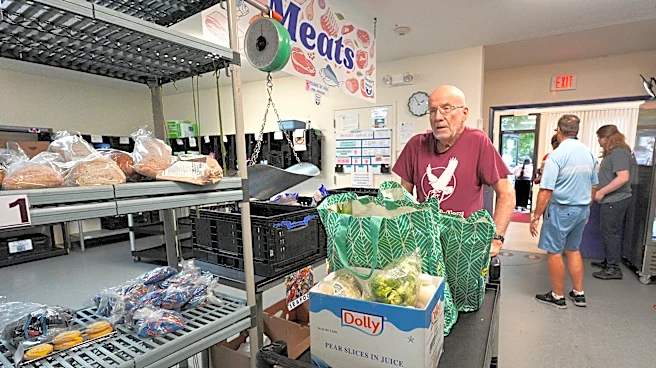
Mississippi is working to achieve a SNAP payment error rate below 8% before the end of September, with updated figures expected to confirm whether this target has been met. The new federal requirements for increased state responsibility for administrative costs will take effect on October 1. Looking ahead to fiscal year 2028, the state's success in reducing its error rate will directly impact its financial contribution to SNAP benefit costs. Governor Reeves' administration is likely to continue promoting workforce development initiatives as a long-term strategy to reduce dependence on federal assistance. This could involve collaborations with educational institutions and businesses to create more job training programs and opportunities. Food assistance organizations, such as the Mississippi Food Network, will continue to address existing food insecurity, which has seen a 36% increase in demand over the past year. These organizations may need to adapt their services in response to any changes in SNAP administration or increased demand from the community.
Beyond the Headlines
The push to reduce Mississippi's SNAP error rate and promote workforce development reflects a broader national conversation about welfare reform and state responsibility. While the immediate goal is fiscal, the underlying implications touch upon the state's approach to poverty, economic mobility, and the social safety net. The focus on individuals securing jobs paying $60,000 or more annually, while aspirational, highlights the significant economic challenges faced by many Mississippians, where food insecurity affects approximately one in five residents. This initiative could inadvertently place additional pressure on vulnerable populations if job opportunities do not materialize at the desired scale or if administrative hurdles for SNAP benefits become more stringent. The ethical dimension lies in balancing fiscal prudence with ensuring adequate support for those in need. The long-term success of this strategy will depend not only on reducing error rates but also on creating a robust economic environment that genuinely offers pathways to self-sufficiency for all residents, addressing systemic issues that contribute to food insecurity and reliance on federal aid.