

What's Happening?
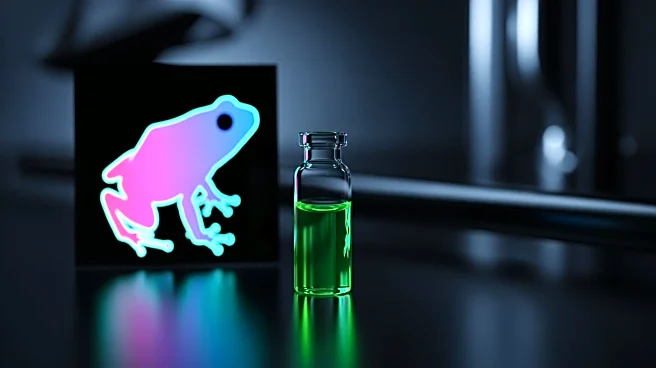
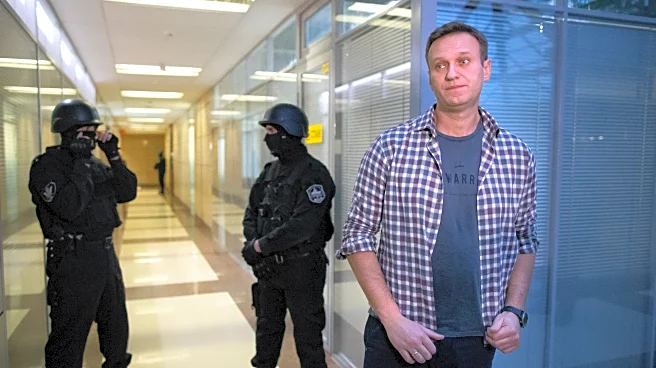
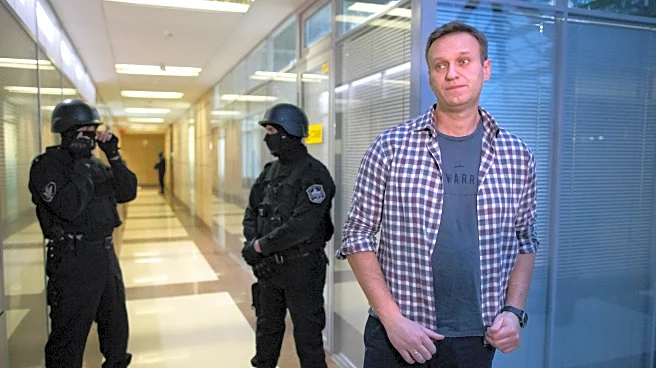
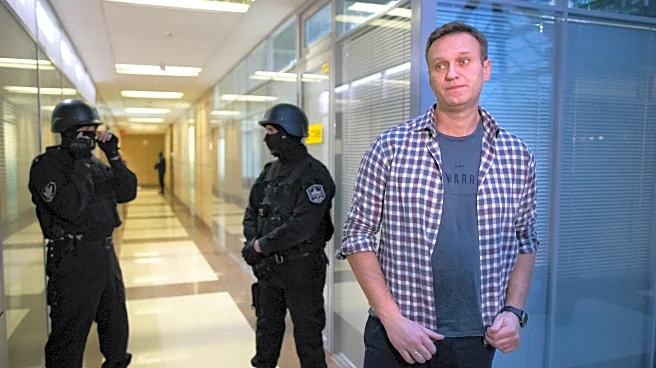
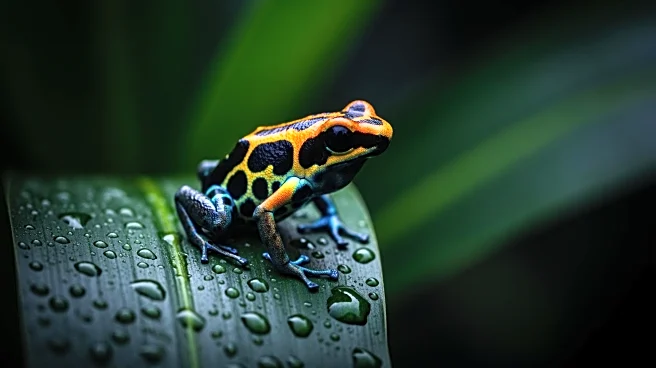
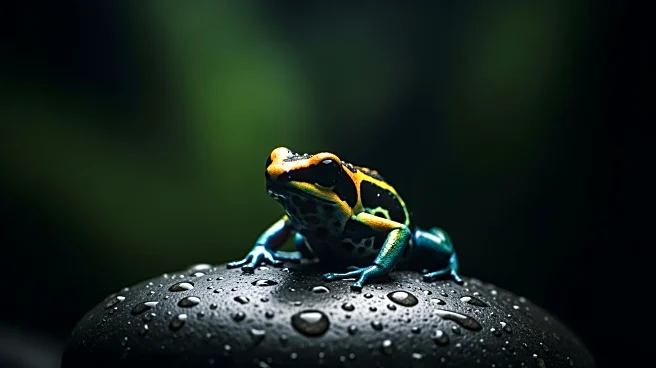
Russian opposition leader Alexei Navalny was reportedly poisoned with a highly lethal toxin derived from Ecuadorian dart frogs, according to his widow, Yulia Navalnaya. This revelation was made during the Munich Security Conference, where Navalnaya was joined
by foreign ministers from the United Kingdom, Germany, Sweden, and the Netherlands. The toxin, known as epibatidine, is classified as a chemical weapon and is significantly more potent than morphine. Navalny, who was a prominent critic of Russian President Vladimir Putin, died in February 2024 while imprisoned in an Arctic penal colony. The Western nations involved in the investigation have concluded that the Russian state had the means, motive, and opportunity to administer the poison, given its rarity and the circumstances of Navalny's imprisonment.
Why It's Important?
The poisoning of Alexei Navalny with a rare and potent toxin underscores the lengths to which the Russian state may go to silence political opposition. This incident has significant implications for international relations, particularly between Russia and Western nations. The use of a chemical weapon in this context highlights ongoing concerns about human rights abuses and the suppression of dissent in Russia. The involvement of multiple Western countries in the investigation and their public condemnation of Russia's actions could lead to increased diplomatic tensions and potential sanctions. This case also raises broader questions about the safety of political dissidents and the international community's role in protecting them.
What's Next?
The findings regarding Navalny's poisoning are expected to be submitted to the United Nations' chemical weapons watchdog for further investigation. This could lead to international pressure on Russia to provide explanations and accountability for Navalny's death. The Western nations involved may push for additional sanctions or diplomatic actions against Russia. Meanwhile, the Russian government is likely to continue denying involvement, potentially leading to further geopolitical friction. The case may also influence future policies on the protection of political dissidents and the use of chemical weapons.
Beyond the Headlines
The use of a toxin from a South American dart frog in Navalny's poisoning highlights the global nature of political conflicts and the lengths to which states may go to eliminate perceived threats. This case may prompt discussions on the ethical implications of using such exotic and dangerous substances in political assassinations. It also raises questions about the international community's ability to effectively respond to and prevent such incidents, as well as the need for stronger global mechanisms to protect human rights and political freedoms.