







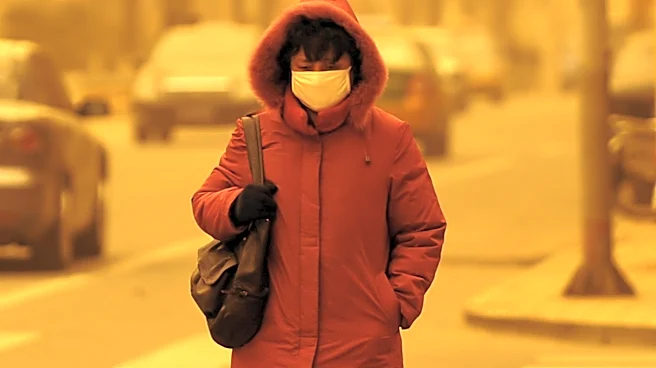
What's Happening?
Dioxins are a group of chemically related compounds known as persistent organic pollutants (POPs) that pose significant environmental and health risks. These compounds are primarily by-products of industrial processes, such as smelting and chlorine bleaching
of paper pulp, and can also result from natural events like volcanic eruptions. Dioxins accumulate in the food chain, particularly in the fatty tissues of animals, leading to more than 90% of human exposure through food. Short-term exposure to high levels of dioxins can cause skin lesions and liver function alterations, while long-term exposure is linked to immune system impairment, developmental issues, and cancer.
Why It's Important?
The presence of dioxins in the environment and food supply is a major public health concern due to their high toxicity and potential to cause serious health problems. Efforts to reduce human exposure are critical, as dioxins can persist in the body for years. National governments are responsible for implementing strict controls on industrial processes to minimize dioxin formation and ensuring food safety through monitoring and regulation. Public awareness and preventive measures are essential to protect vulnerable populations, such as developing fetuses and newborns, from the harmful effects of dioxins.
What's Next?
Continued monitoring and regulation of dioxin levels in the environment and food supply are necessary to protect public health. Governments and industries must work together to implement source-directed measures to reduce dioxin emissions. Advances in technology and research may lead to more effective methods for detecting and controlling dioxin contamination. Public education on reducing exposure through dietary choices and safe food handling practices will also play a crucial role in minimizing health risks associated with dioxins.