



What's Happening?
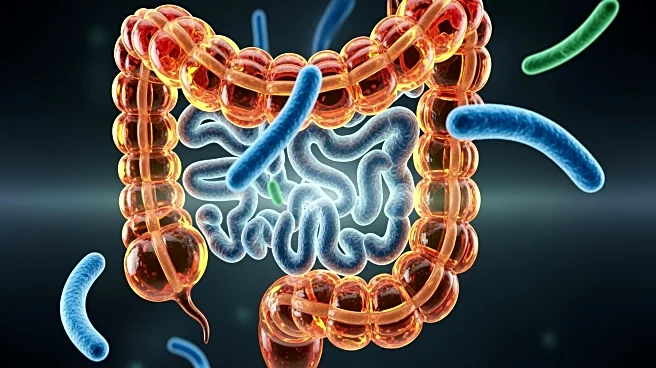
Researchers in California have identified a potential link between a gut toxin called colibactin and the increasing rates of colorectal cancer in individuals under 50 in the United States. Colibactin, produced by harmful gut bacteria such as E. coli,
can damage colon cells, potentially leading to cancer. The American Cancer Society anticipates over 158,000 new colorectal cancer cases and 55,000 deaths this year. Experts suggest that dietary changes, such as increasing fiber intake and consuming probiotic-rich foods, can help mitigate the risk by promoting a healthier gut microbiome.
Why It's Important?
The rise in colorectal cancer among younger adults highlights the critical role of gut health in disease prevention. This development underscores the need for public health initiatives focused on dietary education and the promotion of gut-friendly foods. The findings could influence future dietary guidelines and public health policies aimed at reducing cancer risks through improved nutrition. Additionally, understanding the impact of gut bacteria on cancer development may lead to new preventive strategies and treatments, benefiting both individuals and healthcare systems.
What's Next?
Further research is needed to explore the specific dietary factors that influence colibactin-producing bacteria and their role in cancer development. Public health campaigns may focus on educating the public about the benefits of a fiber-rich diet and the importance of maintaining a healthy gut microbiome. Healthcare providers might also consider incorporating gut health assessments into routine screenings for younger adults to identify those at higher risk of colorectal cancer.